
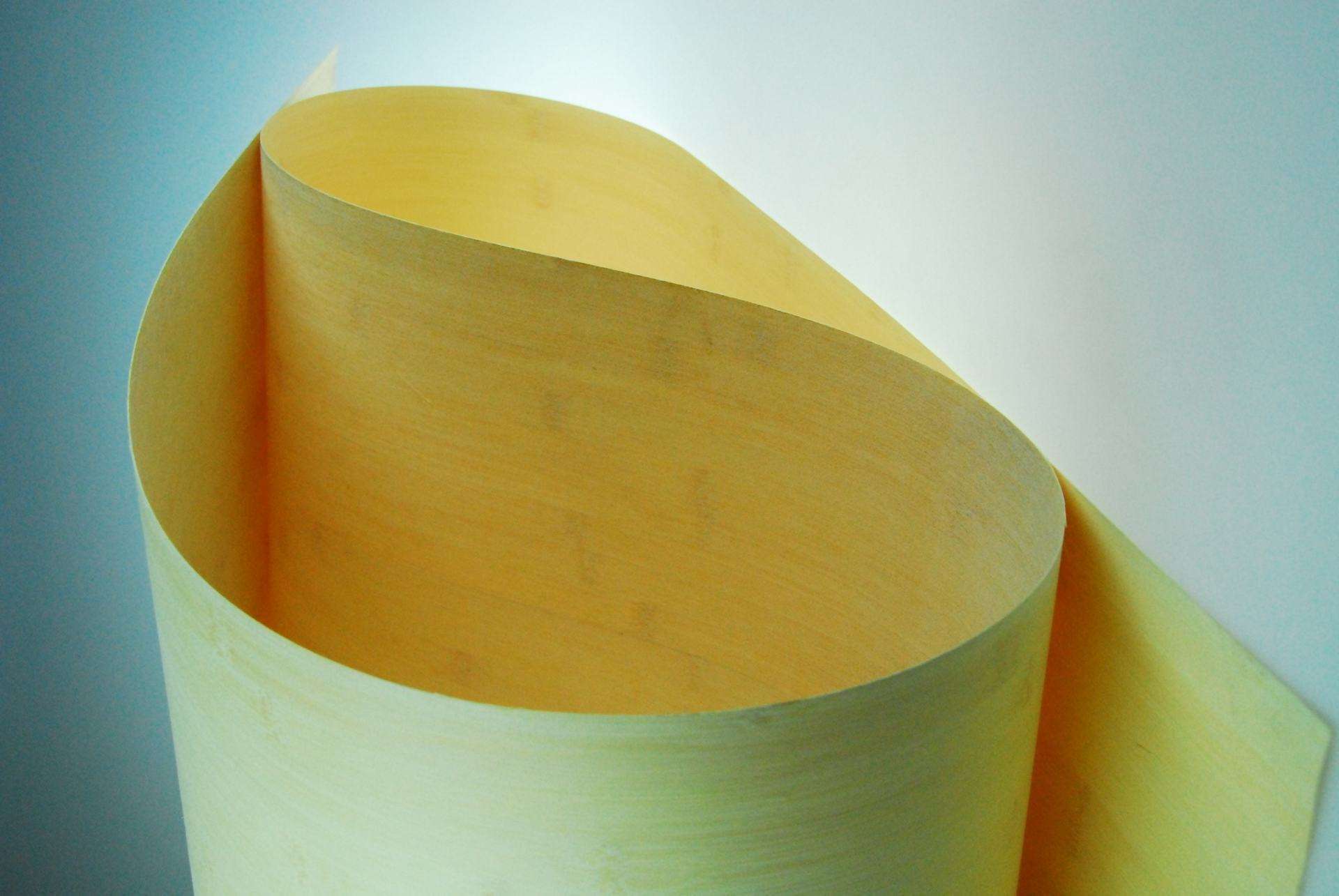
Bamboo Veneer Trends That Every Furniture Brand Should Watch
Bamboo has been used for centuries across architecture, décor, and everyday objects, yet its role in modern furniture manufacturing has taken on new momentum. As brands search for materials that balance performance, aesthetics, and responsible sourcing, bamboo veneer has shifted from a niche alternative to a serious design asset. The material’s strength-to-weight ratio, its naturally appealing grain, and its adaptability have put it on the radar of designers, engineers, and procurement teams across the furniture sector.
Below is an in‑depth look at the bamboo veneer trends gaining traction across commercial and residential furniture production. These shifts reflect real demands from consumers, retailers, and manufacturers seeking dependable materials that offer style, durability, and technical advantages.
Rising Preference for Natural FinishesA noticeable movement across furniture collections is the renewed appreciation for warm, organic surfaces. Bamboo veneer closely aligns with this preference thanks to its subtle grain, soft tone, and authentic appearance. Its fibers create a visual rhythm that works across tabletops, cabinets, seating, and wall-mounted systems without overwhelming other design elements.
Design teams appreciate that bamboo veneer can be finished to appear nearly raw, softly matte, or lightly brushed, depending on the desired visual direction. Furniture pieces built around natural finishes also feel more timeless, giving brands the flexibility to create long-lasting lines that do not age as quickly as trend-heavy alternatives. As retailers continue leaning toward collections that age gracefully, bamboo veneer naturally fits these expectations.
Growing Demand for Material TransparencyCustomers have become far more attentive to the origins of materials used in their homes and workspaces. They want to know how raw materials are sourced, whether they are renewable, and how their use affects ecosystems. Bamboo, being a fast‑growing grass with a rapid regeneration cycle, stands out as a preferred option.
Furniture brands that incorporate bamboo veneer are finding it easier to communicate clear sourcing stories to consumers. It avoids the complexities associated with slow‑growth hardwoods and can often be traced back to managed plantations. As supply chains continue moving in the direction of greater openness, bamboo veneer remains appealing for its traceability and responsible production potential.
Textural and Structural DiversityModern bamboo veneer is not limited to a single look. Current manufacturing methods allow for multiple variations that give furniture designers significant creative freedom.
Popular options include:
- Vertical grain veneers with fine, consistent lines
- Horizontal grain veneers that highlight the bamboo’s nodes for a more natural appearance
- Strand-woven styles that offer a tighter, more intricate texture
- Carbonized bamboo with deeper, richer color tones
This variety allows furniture brands to match the veneer to different interior aesthetics—from minimalist Scandinavian styles to bold contemporary frameworks. Some manufacturers also offer custom patterns created through cross-lamination, pressing, or cutting techniques, enabling new visual identities without compromising stability.
Compatibility With Modern ManufacturingOne of the materials’ advantages is how well it supports mass production. Bamboo veneer bonds effectively with common substrates like plywood, MDF, and particleboard, and it performs reliably during pressing, routing, finishing, and CNC machining. Brands that need scalability appreciate this predictability.
Its technical stability also benefits furniture that must withstand repeated assembly, such as flat‑pack collections. Bamboo veneer maintains structural integrity despite handling, fastener contact, and environmental changes. As many companies expand their ready‑to‑ship and modular furniture categories, the veneer’s stability becomes increasingly valuable.
Increased Use in Commercial and Hospitality DesignBamboo veneer is no longer limited to home décor. It has begun appearing frequently in hotels, cafés, coworking spaces, and boutique retail spaces. Designers for commercial interiors gravitate toward bamboo because it delivers a sophisticated, welcoming aesthetic without feeling heavy or overly formal.
The veneer performs well in:
- Reception desks
- Wall cladding
- Storage units
- Shelving systems
- Worksurface finishes
- Decorative partitions
These applications benefit from bamboo’s clean lines and resistance to wear, especially in high-traffic environments. The more the commercial sector adopts it, the more consumers become familiar and comfortable with its presence, which in turn influences household purchases.
Hybrid Designs Using Bamboo Veneer and MetalsA strong furniture trend emerging across brands is the blending of natural materials with sleek metals. Bamboo veneer pairs surprisingly well with steel, aluminum, and brass because its warm tones soften the starkness of metallic accents.
This combination shows up in:
- Dining tables with bamboo veneer tops and metal legs
- Storage units framed in steel but surfaced in bamboo
- Office desks using bamboo veneer desktops on alloy supports
- Lighting fixtures featuring bamboo veneer shades with metal brackets
The mix offers visual balance, making products appear both refined and approachable. For brands looking to create modern lines without sacrificing warmth, bamboo veneer has become an essential design component.
Growing Interest in Custom Color TreatmentsWhile the classic pale tone of bamboo remains popular, brands are increasingly searching for expanded color options. Manufacturers now offer bamboo veneer with specialized stains, tints, and finishing coats that maintain grain visibility while achieving darker or more unconventional hues.
Trending directions include:
- Deep espresso tones for bold, modern interiors
- Smoke or graphite grays that pair well with industrial styles
- Soft honey or caramel shades for transitional aesthetics
- Light whitewash finishes that appeal to coastal and airy looks
Advanced finishing techniques also reduce color shift over time, making the veneer viable for long-term commercial use where consistency is critical across large installations.
Thicker Veneer Options for Visual ImpactTraditionally, veneer has been used primarily as a decorative top layer. However, thicker bamboo veneer sheets are becoming popular for creating more substantial, sculptural profiles. These thicker sheets offer a sense of depth and texture similar to solid wood, but with better cost efficiency and improved dimensional stability.
Brands use thicker bamboo veneer for:
- Rounded table edges
- Chamfered cabinet fronts
- Curved panels
- Elevated design accents
The result is furniture that feels more premium while remaining lightweight and easier to transport.
Enhanced Performance CoatingsFurniture used in kitchens, bathrooms, offices, or restaurants must withstand frequent cleaning and exposure to moisture. Modern protective coatings applied to bamboo veneer have significantly improved its performance, expanding its applicability in environments where durability is essential.
New coatings offer benefits such as:
- Higher scratch resistance
- Improved water resistance
- Better UV stability to reduce color fading
- Greater resistance to heat and daily wear
This has directly contributed to the material’s rising popularity among manufacturers that require predictable long-term performance.
The Appeal of a Distinct Visual IdentityOne of the overlooked reasons bamboo veneer is gaining traction is its ability to set brands apart stylistically. While many competitors rely heavily on walnut, oak, or ash veneers, bamboo presents an instantly recognizable surface that still feels refined and modern. Companies that adopt bamboo early gain a visual signature that helps distinguish their collections in a saturated market.
Designers also appreciate that bamboo’s consistent grain allows them to create large, seamless surfaces that are difficult to achieve with other woods. This uniformity supports clean, architectural designs and contributes to cohesive product families.
The Influence of Cross-Category AdoptionThe rise of bamboo veneer isn’t limited to furniture alone. It has also found its way into:
- Interior wall treatments
- Ceiling panels
- Decorative accessories
- Consumer electronics housings
- Automotive dashboards
As more industries embrace bamboo veneer, consumers become comfortable seeing it in multiple environments. This cross-category adoption reinforces the perception that the material is refined, high-performing, and versatile. Furniture brands benefit from this familiarity, as customers are more inclined to view bamboo veneer as a longstanding, reliable material rather than a novelty.
Future OutlookBamboo veneer is positioned to play an increasingly important role across furniture collections in both residential and commercial markets. Its design flexibility, availability in various configurations, and compatibility with contemporary production processes make it an appealing choice for brands seeking a fresh yet dependable material. As consumer expectations evolve toward transparency, natural aesthetics, and long-term durability, bamboo veneer provides a compelling balance of function and visual quality.
Furniture manufacturers that stay aware of these trends can better anticipate market shifts and create collections that resonate with customers seeking materials rooted in authenticity and thoughtful design.