How Eco Friendly Is Bamboo Decking Compared to Merbau Wood?
When planning an outdoor renovation, selecting the right material for a deck involves balancing performance, cost, aesthetics, and environmental responsibility. Homeowners and builders are increasingly scrutinizing the lifecycle of building products, wanting to know exactly where materials come from and how their extraction affects the planet. Two of the most popular heavy-duty materials for exterior tracking and outdoor living spaces are engineered bamboo and Merbau wood.
Merbau is a traditional tropical hardwood known for its rich, reddish-brown color and natural durability. On the other side stands high-density strand-woven bamboo decking, a modern engineered product that has rapidly gained ground as a high-performance alternative to classic timber. While both options offer exceptional strength and weather resistance, a close inspection of their growth cycles, harvesting practices, manufacturing pipelines, and long-term ecosystem impacts reveals a stark contrast in their actual environmental footprints.
The Fundamental Difference in Growth Cycles
The primary ecological divergence between these two materials lies in how the raw organisms grow and regenerate. Merbau, scientifically known as Intsia bijuga, is a slow-growing hardwood tree native to the tropical rainforests of Southeast Asia, the Pacific Islands, and northern Australia. A Merbau tree takes anywhere from seventy to one hundred years to reach full structural maturity. This means that once a mature Merbau tree is cut down for lumber, it takes generations for a replacement tree to grow and store the same amount of carbon.
Bamboo is completely different because it is not a tree at all; it is a giant grass. Specifically, the species used for heavy-duty structural manufacturing, such as Moso bamboo, reaches its full height and structural density in just four to five years. This rapid growth velocity makes it one of the most self-renewing natural resources on earth.
Furthermore, the underground root system of a bamboo plant, known as the rhizome, remains completely intact and alive during a harvest. When a mature culm or stalk is cut at ground level, the plant does not die. Instead, the established root system immediately sends up new shoots the following season, utilizing the existing biological infrastructure. This eliminates the need for replanting, prevents soil disturbance, and allows for a continuous, cyclical harvest every few years without causing deforestation.
Forest Depletion and Biodiversity Impacts
The geographic sourcing of Merbau wood comes with substantial ecological complications. Because Merbau thrives in complex, old-growth rainforest ecosystems, harvesting the timber often results in significant disruption to local biodiversity. Rainforests are home to countless interconnected species of plants, insects, and animals. The removal of large canopy trees damages the delicate forest architecture, exposing the forest floor to intense sunlight, altering microclimates, and fragmenting wildlife habitats.
While certified sustainable logging concessions exist, the high global demand for Merbau has fueled widespread illegal logging and unsustainable forestry practices in vulnerable regions, such as West Papua and parts of Indonesia. Environmental groups have cautioned that at current exploitation rates, natural stocks of Merbau face severe long-term depletion.
In contrast, commercial bamboo is typically cultivated on dedicated managed plantations or harvested from naturally occurring bamboo forests on hillside terrains where traditional agriculture is impossible. Because bamboo establishes dense, interlocking root networks, it excels at binding the soil together. This makes bamboo plantations highly effective at preventing soil erosion and land degradation on steep slopes. Rather than clearing a complex, ancient ecosystem, bamboo harvesting functions more like an agricultural crop, leaving the surrounding landscape stable and productive year after year.
Carbon Sequestration and Climate Change Mitigation
Both timber and bamboo play a role in mitigating climate change through carbon sequestration, which is the process of absorbing carbon dioxide from the atmosphere and storing it within the plant tissue. However, the dynamics of how they manage carbon over time differ significantly due to their harvesting methods.
A living Merbau tree acts as a long-term carbon sink, locking away carbon for a century or more within the old-growth forest. When the tree is harvested and milled into decking planks, that carbon remains trapped inside the wood for the lifespan of the deck. However, the removal of the tree halts any further carbon absorption at that specific site for decades until a new tree can mature. If the surrounding forest is degraded during the logging process, the soil can release significant amounts of stored carbon back into the atmosphere.
Bamboo operates on a rapid, high-turnover carbon cycle. Because it grows so quickly, a bamboo forest captures carbon at a much faster annual rate than a traditional hardwood forest. When mature stalks are harvested, the carbon they captured is permanently locked into the dense, engineered decking boards. Meanwhile, the living root system immediately produces new stalks that begin absorbing carbon dioxide all over again. This continuous cycle creates a highly dynamic and efficient system for removing carbon from the atmosphere and embedding it into durable building products.
The Manufacturing and Processing Footprint
To evaluate the complete environmental profile of a material, one must look beyond the forest and examine the energy required to transform the raw material into a finished product ready for installation.
Merbau has a relatively straightforward manufacturing process. Once the logs are transported from the forest to the sawmill, they are sawn into planks, kiln-dried to reduce moisture content, and planed to smooth the surface. This mechanical processing requires a moderate amount of energy, and the natural oils and tannins within the wood mean it does not require synthetic chemical additives to resist bugs or decay. The primary environmental cost for Merbau occurs during the harvesting and long-distance transportation phases, rather than inside the mill.
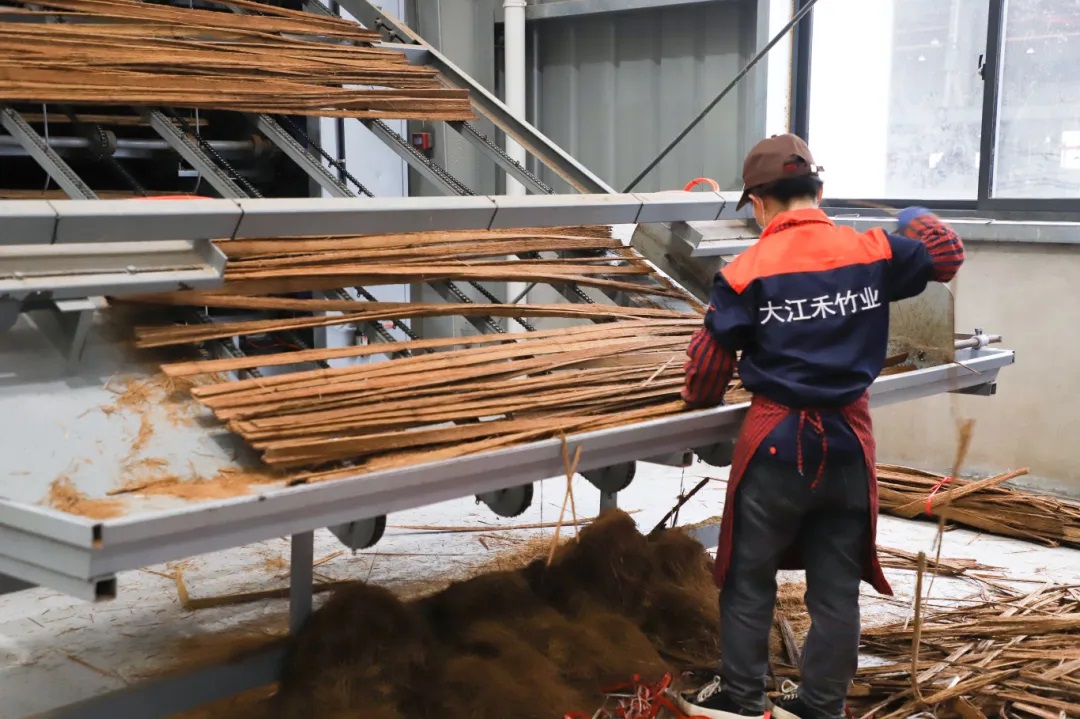
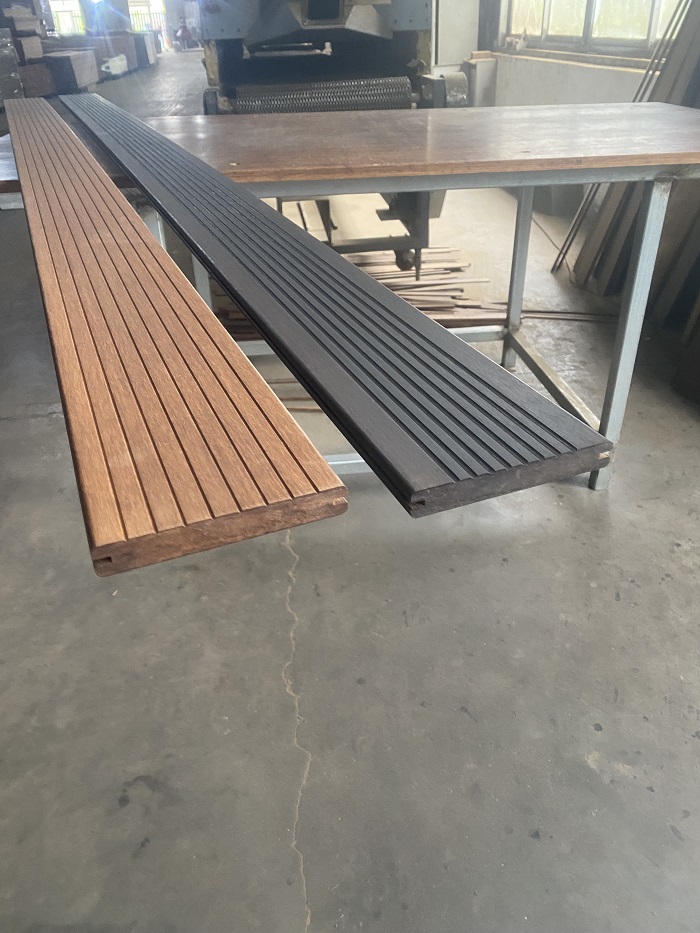
Strand-woven bamboo decking requires a more intensive manufacturing process to convert a hollow, round grass stalk into a solid, flat, heavy-duty exterior board. The raw bamboo stalks are split into thin strips, and the outer green skin is removed. These strips are then subjected to a thermal treatment process, which uses high temperatures to caramelize the natural sugars inside the fibers, rendering the material unappetizing to termites and fungi.
After drying, the treated fibers are coated with eco-friendly resins and compressed under immense hydraulic pressure to form dense, solid blocks, which are then sliced into decking planks. While this manufacturing sequence consumes more industrial energy than simple timber milling, many modern facilities offset this footprint by using the leftover bamboo sawdust and biowaste to fuel their thermal kilns, creating a highly efficient closed-loop energy system.
Longevity, Performance, and Maintenance Aftercare
An overlooked aspect of environmental friendliness is material longevity. A product that lasts twice as long as an alternative consumes fewer global resources over time because it delays the need for replacement, manufacturing, and transport.
Merbau is an exceptionally durable wood, often lasting twenty-five years or more when properly maintained. However, Merbau contains a high concentration of water-soluble tannins. During the first few months of outdoor exposure, rainwater causes these dark red tannins to bleed out of the timber, which can permanently stain adjoining concrete, stone patios, or pool copings. To control this bleeding and maintain its original color, a Merbau deck requires consistent, regular applications of oil finishes or chemical sealants every six to twelve months.
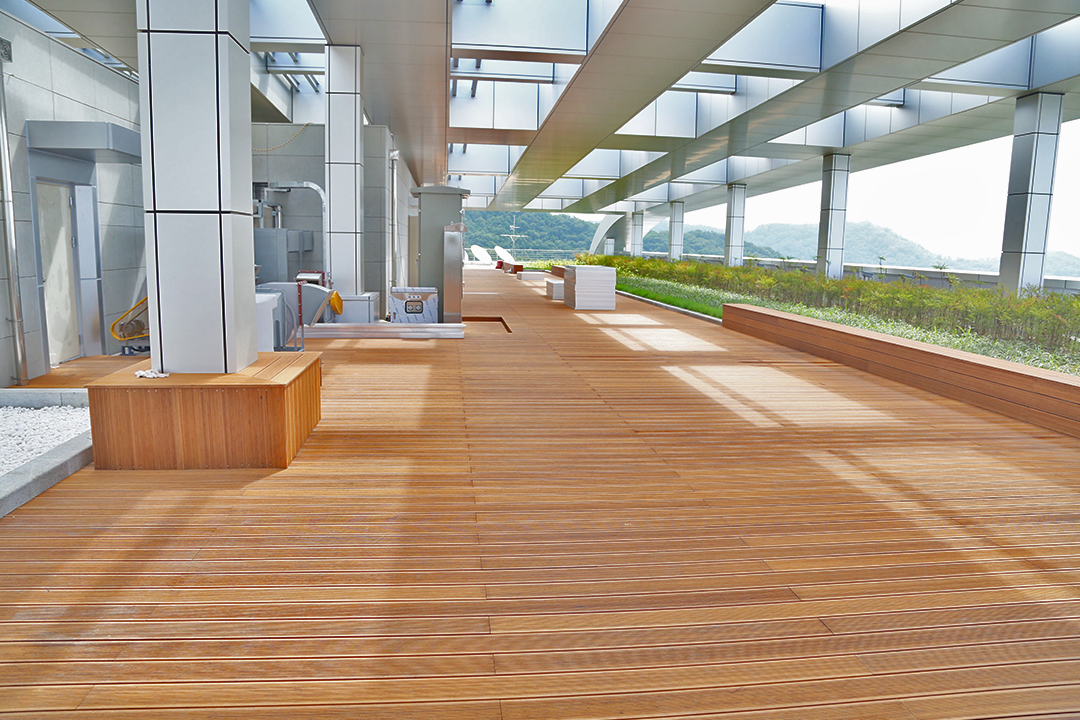
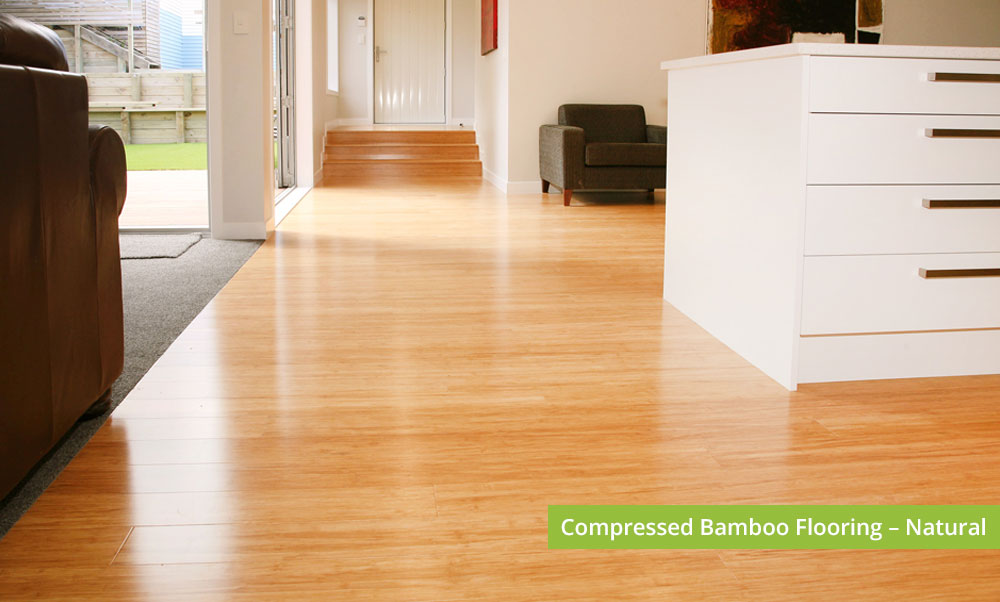
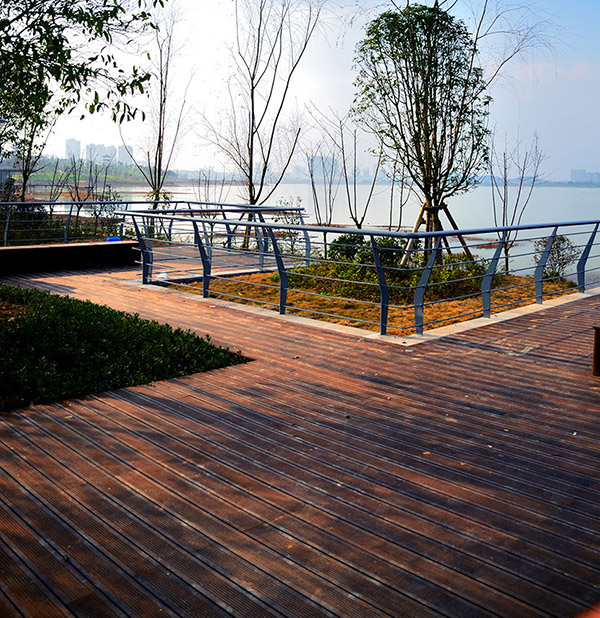
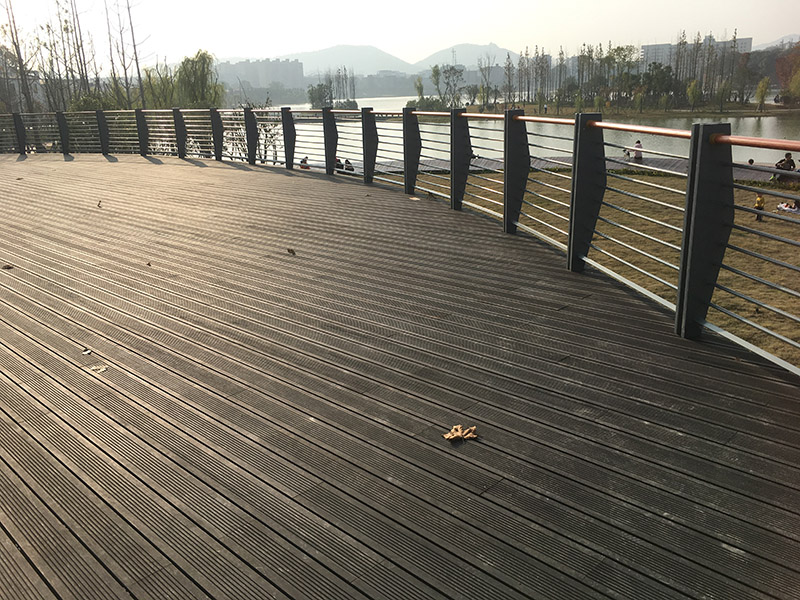
High-density engineered bamboo matching or exceeding the hardness of Merbau provides incredible dimensional stability. Because the cell structure is altered and compressed during production, the boards experience very little seasonal movement, reducing the risk of warping, cupping, or splitting. Bamboo does not bleed messy tannins onto surrounding surfaces. While it will naturally weather to a soft silver-grey tone under direct sunlight, its structural integrity remains uncompromised. To preserve the original rich brown coloration, it requires only an occasional coat of a water-based UV-protective oil, resulting in a lower lifetime chemical maintenance burden compared to traditional timber.
Making the Responsible Choice
When choosing between these two premium outdoor materials, the ecological advantages lean heavily toward the engineered grass alternative. Merbau delivers classic natural beauty and reliable physical strength, but its long growth cycle and the high risk of rainforest degradation make it increasingly difficult to justify from an environmental standpoint.
Bamboo offers a forward-thinking solution by providing a surface with identical hardness, excellent stability, and a beautiful grain pattern, while relying on a raw material that regenerates completely in less than five years. By opting for a resource that supports soil conservation, maximizes rapid carbon capture, and protects old-growth tropical forests from logging pressure, homeowners can build a beautiful, long-lasting outdoor space that aligns with responsible environmental stewardship.
About Bothbest
Bothbest is a professional, FSC certified bamboo factory based in China, manufacturing and exporting high-quality bamboo flooring, outdoor decking, and plywood since 2001. Equipped with advanced computerized machinery, Bothbest provides reliable, eco-friendly, and custom-tailored bamboo solutions direct from the manufacturer to distributors, architects, and builders worldwide.