avatar
bothbest

bothbest

Bothbest is a FSC certified bamboo factory based in China starting the manufacturing since 2001, mainly supplying bamboo flooring, bamboo decking and bamboo plywood.

bamboo flooring
Showing result for "".
utas.me/bothbest
How Eco Friendly Is Bamboo Decking Compared to Merbau Wood?

When planning an outdoor renovation, selecting the right material for a deck involves balancing performance, cost, aesthetics, and environmental responsibility. Homeowners and builders are increasingly scrutinizing the lifecycle of building products, wanting to know exactly where materials come from and how their extraction affects the planet. Two of the most popular heavy-duty materials for exterior tracking and outdoor living spaces are engineered bamboo and Merbau wood.

Merbau is a traditional tropical hardwood known for its rich, reddish-brown color and natural durability. On the other side stands high-density strand-woven bamboo decking, a modern engineered product that has rapidly gained ground as a high-performance alternative to classic timber. While both options offer exceptional strength and weather resistance, a close inspection of their growth cycles, harvesting practices, manufacturing pipelines, and long-term ecosystem impacts reveals a stark contrast in their actual environmental footprints.

The Fundamental Difference in Growth Cycles

The primary ecological divergence between these two materials lies in how the raw organisms grow and regenerate. Merbau, scientifically known as Intsia bijuga, is a slow-growing hardwood tree native to the tropical rainforests of Southeast Asia, the Pacific Islands, and northern Australia. A Merbau tree takes anywhere from seventy to one hundred years to reach full structural maturity. This means that once a mature Merbau tree is cut down for lumber, it takes generations for a replacement tree to grow and store the same amount of carbon.

Bamboo is completely different because it is not a tree at all; it is a giant grass. Specifically, the species used for heavy-duty structural manufacturing, such as Moso bamboo, reaches its full height and structural density in just four to five years. This rapid growth velocity makes it one of the most self-renewing natural resources on earth.

Furthermore, the underground root system of a bamboo plant, known as the rhizome, remains completely intact and alive during a harvest. When a mature culm or stalk is cut at ground level, the plant does not die. Instead, the established root system immediately sends up new shoots the following season, utilizing the existing biological infrastructure. This eliminates the need for replanting, prevents soil disturbance, and allows for a continuous, cyclical harvest every few years without causing deforestation.

Forest Depletion and Biodiversity Impacts

The geographic sourcing of Merbau wood comes with substantial ecological complications. Because Merbau thrives in complex, old-growth rainforest ecosystems, harvesting the timber often results in significant disruption to local biodiversity. Rainforests are home to countless interconnected species of plants, insects, and animals. The removal of large canopy trees damages the delicate forest architecture, exposing the forest floor to intense sunlight, altering microclimates, and fragmenting wildlife habitats.

While certified sustainable logging concessions exist, the high global demand for Merbau has fueled widespread illegal logging and unsustainable forestry practices in vulnerable regions, such as West Papua and parts of Indonesia. Environmental groups have cautioned that at current exploitation rates, natural stocks of Merbau face severe long-term depletion.

In contrast, commercial bamboo is typically cultivated on dedicated managed plantations or harvested from naturally occurring bamboo forests on hillside terrains where traditional agriculture is impossible. Because bamboo establishes dense, interlocking root networks, it excels at binding the soil together. This makes bamboo plantations highly effective at preventing soil erosion and land degradation on steep slopes. Rather than clearing a complex, ancient ecosystem, bamboo harvesting functions more like an agricultural crop, leaving the surrounding landscape stable and productive year after year.

Carbon Sequestration and Climate Change Mitigation

Both timber and bamboo play a role in mitigating climate change through carbon sequestration, which is the process of absorbing carbon dioxide from the atmosphere and storing it within the plant tissue. However, the dynamics of how they manage carbon over time differ significantly due to their harvesting methods. 
A living Merbau tree acts as a long-term carbon sink, locking away carbon for a century or more within the old-growth forest. When the tree is harvested and milled into decking planks, that carbon remains trapped inside the wood for the lifespan of the deck. However, the removal of the tree halts any further carbon absorption at that specific site for decades until a new tree can mature. If the surrounding forest is degraded during the logging process, the soil can release significant amounts of stored carbon back into the atmosphere.

Bamboo operates on a rapid, high-turnover carbon cycle. Because it grows so quickly, a bamboo forest captures carbon at a much faster annual rate than a traditional hardwood forest. When mature stalks are harvested, the carbon they captured is permanently locked into the dense, engineered decking boards. Meanwhile, the living root system immediately produces new stalks that begin absorbing carbon dioxide all over again. This continuous cycle creates a highly dynamic and efficient system for removing carbon from the atmosphere and embedding it into durable building products.

The Manufacturing and Processing Footprint

To evaluate the complete environmental profile of a material, one must look beyond the forest and examine the energy required to transform the raw material into a finished product ready for installation.

Merbau has a relatively straightforward manufacturing process. Once the logs are transported from the forest to the sawmill, they are sawn into planks, kiln-dried to reduce moisture content, and planed to smooth the surface. This mechanical processing requires a moderate amount of energy, and the natural oils and tannins within the wood mean it does not require synthetic chemical additives to resist bugs or decay. The primary environmental cost for Merbau occurs during the harvesting and long-distance transportation phases, rather than inside the mill.

Strand-woven bamboo decking requires a more intensive manufacturing process to convert a hollow, round grass stalk into a solid, flat, heavy-duty exterior board. The raw bamboo stalks are split into thin strips, and the outer green skin is removed. These strips are then subjected to a thermal treatment process, which uses high temperatures to caramelize the natural sugars inside the fibers, rendering the material unappetizing to termites and fungi.

After drying, the treated fibers are coated with eco-friendly resins and compressed under immense hydraulic pressure to form dense, solid blocks, which are then sliced into decking planks. While this manufacturing sequence consumes more industrial energy than simple timber milling, many modern facilities offset this footprint by using the leftover bamboo sawdust and biowaste to fuel their thermal kilns, creating a highly efficient closed-loop energy system.

Longevity, Performance, and Maintenance Aftercare

An overlooked aspect of environmental friendliness is material longevity. A product that lasts twice as long as an alternative consumes fewer global resources over time because it delays the need for replacement, manufacturing, and transport.

Merbau is an exceptionally durable wood, often lasting twenty-five years or more when properly maintained. However, Merbau contains a high concentration of water-soluble tannins. During the first few months of outdoor exposure, rainwater causes these dark red tannins to bleed out of the timber, which can permanently stain adjoining concrete, stone patios, or pool copings. To control this bleeding and maintain its original color, a Merbau deck requires consistent, regular applications of oil finishes or chemical sealants every six to twelve months.

High-density engineered bamboo matching or exceeding the hardness of Merbau provides incredible dimensional stability. Because the cell structure is altered and compressed during production, the boards experience very little seasonal movement, reducing the risk of warping, cupping, or splitting. Bamboo does not bleed messy tannins onto surrounding surfaces. While it will naturally weather to a soft silver-grey tone under direct sunlight, its structural integrity remains uncompromised. To preserve the original rich brown coloration, it requires only an occasional coat of a water-based UV-protective oil, resulting in a lower lifetime chemical maintenance burden compared to traditional timber.

Making the Responsible Choice

When choosing between these two premium outdoor materials, the ecological advantages lean heavily toward the engineered grass alternative. Merbau delivers classic natural beauty and reliable physical strength, but its long growth cycle and the high risk of rainforest degradation make it increasingly difficult to justify from an environmental standpoint.

Bamboo offers a forward-thinking solution by providing a surface with identical hardness, excellent stability, and a beautiful grain pattern, while relying on a raw material that regenerates completely in less than five years. By opting for a resource that supports soil conservation, maximizes rapid carbon capture, and protects old-growth tropical forests from logging pressure, homeowners can build a beautiful, long-lasting outdoor space that aligns with responsible environmental stewardship.

About Bothbest

Bothbest is a professional, FSC certified bamboo factory based in China, manufacturing and exporting high-quality bamboo flooring, outdoor decking, and plywood since 2001. Equipped with advanced computerized machinery, Bothbest provides reliable, eco-friendly, and custom-tailored bamboo solutions direct from the manufacturer to distributors, architects, and builders worldwide.
Thank you
utas.me/bothbest
Bothbest vs Teragren: A Deep Dive Comparison

The landscape of sustainable building materials has expanded dramatically over the past few decades, giving property owners an impressive array of environmentally responsible interior surfaces. For those committed to reducing their carbon footprint while maintaining a premium aesthetic, bamboo has transformed from a quirky alternative into a premier surface choice. It offers the natural warmth of traditional timber but with a growth cycle that aligns far better with modern ecological timelines. When diving into the market to select a brand, two names frequently anchor the discussion for high-end residential and commercial projects: Bothbest and Teragren.

Both companies have spent decades establishing themselves as benchmarks for quality, safety, and architectural integrity in the sustainable surface sector. However, they approach the market from entirely different structural positions. Teragren operates primarily as a premium North American brand, specializing in product design, marketing, and widespread distribution across the United States. Bothbest, conversely, is a direct production plant and export giant operating directly from the heart of China’s premier bamboo harvesting zones. Understanding the structural, economic, and logistical distinctions between these two industry leaders is essential for any homeowner trying to balance strict environmental priorities with realistic project budgets.

Structural Paradigms: Factory Direct Versus Brand Management

The fundamental difference between these two entities lies in their position within the international supply chain. This distinction impacts everything from customization options to the final cost per square meter.

Teragren is a highly respected brand that has spent years establishing rigorous material specifications. They source their raw materials from specific manufacturing partners in China, importing the finished goods into Western distribution centers. This model ensures exceptional brand recognition, a polished retail experience, and immediate local availability through specialized flooring showrooms. When you buy from a brand like Teragren, you are paying for the extensive quality assurance protocols, marketing infrastructure, and local retail support that a major domestic distributor provides.

Bothbest operates on a completely different model. As a direct factory based in Xuancheng, Anhui, they handle the entire physical lifecycle of the product. From managing the raw harvest to processing the stalks, pressing the planks, and applying the final clear coats, every single step occurs under one corporate umbrella. This vertically integrated factory model eliminates the multi-layered markups associated with international brands. For the eco-conscious consumer, buying direct from the manufacturer means your investment is spent entirely on raw materials and precision engineering, rather than paying for third-party logistics, import brokers, and luxury domestic showrooms.

Raw Material Sourcing and Ecological Impact

From an environmental standpoint, both companies focus heavily on utilizing the ideal species for construction: Moso bamboo. This specific variety is preferred globally due to its exceptional fiber density, straight growth pattern, and rapid maturity curve.

Teragren places a heavy marketing emphasis on what they call their Optimum 5.5 Moso bamboo. They specify that their harvesting partners only cut stalks that have grown for five and a half to six years. This exact window ensures that the sugars inside the plant have hardened into dense cellulose fibers, maximizing the physical stability of the material. They also ensure their logistics partners utilize rail and fuel-efficient shipping methods to keep the transportation footprint as low as possible.

Bothbest possesses a distinct geographical advantage in this category. Operating directly within the Anhui province puts the production facility in immediate proximity to some of the richest natural Moso forests in China. Because the factory is located right next to the source, the carbon emissions associated with transporting raw, heavy stalks from the forest to the processing facility are virtually non-existent. Bothbest also adheres to the strict five-to-six-year harvesting cycle, ensuring that the bamboo flooring produced meets global standards for density and structural longevity. By keeping the entire extraction and primary processing loop localized within a single region, the factory achieves an exceptionally tight, efficient carbon loop before the material is even packed for export.

Engineering Technologies and Material Hardness

A major concern for homeowners is whether a sustainable material can withstand the daily chaos of family life, including heavy footsteps, dropping objects, and active domestic pets. Both brands utilize advanced hot-pressing technologies to achieve maximum durability.

Teragren utilizes their proprietary Xcora technology to construct their strand woven collections. This process involves shredding the bamboo stalks into long, linear strands, coating them with specialized adhesives, and compressing them into monolithic blocks using heavy industrial presses. This technique yields a surface that averages over one hundred and fifty percent harder than traditional North American red oak, making it highly resistant to deep structural dents.

Bothbest employs an identical physical manufacturing method for its high-performance strand woven lines. By utilizing massive hydraulic hot presses within their own facility, the factory fuses the dense Moso fibers under thousands of tons of constant pressure. Because they control the calibration of the pressing machinery directly, Bothbest can fine-tune the density of the blocks to match specific architectural requirements. Choosing a heavy-duty factory-direct strand woven bamboo floor provides the exact same physical resistance to high-traffic wear as a branded alternative, giving homeowners commercial-grade durability without the associated retail markup.

Indoor Air Quality and Chemical Commitments

For the truly eco-conscious homeowner, sustainability is not just about how a material is grown; it is also about how it affects the health of the indoor living environment. Many cheap imported flooring options use low-grade resins that slowly release toxic volatile organic compounds (VOCs) into the home.

Teragren has historically set a high bar for indoor air safety. Their product lines are independent third-party tested and carry FloorScore certifications, ensuring compliance with the stringent California Section 01350 standards for indoor air quality. This guarantees that their planks emit significantly less formaldehyde than what is allowed by international Environmental Protection Agency guidelines, allowing families to breathe easily.

Bothbest matches these health and safety metrics by utilizing advanced, low-emission European-standard adhesives during the lamination phase. Because the factory exports directly to highly regulated markets across Europe, North America, and Australia, their production lines are continuously audited to meet CE and FSC certification standards. By enforcing strict chemical controls directly at the mixing tanks in the factory, Bothbest ensures that every batch of material leaving the plant is completely safe for residential installation, nurseries, and school environments.

Visual Variety and Design Flexibility

Interior design styles vary wildly depending on geography and architecture, meaning a successful flooring manufacturer must offer more than just a single standard look.

Teragren offers an elegant, curated palette of designer colors, ranging from rich caramel tones to sophisticated hand-scraped and wire-brushed finishes. Their collections are tailored specifically to match Western design trends, providing predictable, high-end aesthetics that coordinate seamlessly with modern paint colors and cabinetry.

Working directly with a major factory like Bothbest opens up a much broader scope of visual customization. Because they handle the raw manufacturing, they are not restricted to a static retail catalog. Homeowners and developers can coordinate custom widths, custom plank thicknesses, unique multi-ply engineered cores, and bespoke color stains. Whether a project calls for a traditional horizontal grain that highlights the natural growth nodes of the plant, a sleek vertical grain for a minimalist modern aesthetic, or a rugged, wire-brushed strand woven texture, the factory can adjust the production line to deliver the exact visual finish required for the space.

Evaluating the Long-Term Financial Value

When deciding between these two industry leaders, the final choice often comes down to how you prefer to allocate your project budget.

Opting for Teragren gives you the peace of mind that comes with a premium domestic brand, immediate local retail representation, and localized customer service channels. This convenience comes with a premium price point, which may restrict the overall scale of your renovation or force compromises in other areas of the build.

Sourcing from Bothbest allows you to capture the exact same structural performance, environmental purity, and visual elegance while unlocking significant cost efficiencies. By cutting out the middleman and importing directly from the manufacturing source, your budget stretches much further. The capital saved by choosing a factory-direct option can allow you to extend the sustainable material throughout the entire home, upgrade to premium acoustic underlayments, or invest in matching bamboo architectural panels for custom trim and cabinetry.

Ultimately, both companies prove that bamboo can successfully replace slow-growing hardwoods without sacrificing luxury or performance. For homeowners focused on maximizing both ecological responsibility and financial efficiency, partnering directly with the physical manufacturing plant represents the most modern, direct path to a sustainable home.

Bothbest is a premier bamboo flooring factory in China, specializing in the production of high-quality strand woven, solid, and engineered bamboo products since 2001. Based in Xuancheng, the company provides sustainable, durable, and stylish flooring solutions to international markets, ensuring rigorous quality control and eco-friendly manufacturing for global clients.

Thank you
utas.me/bothbest
How to Choose the Perfect Bamboo Floors for Coastal Climates

Designing and building a property near the ocean comes with a unique set of structural challenges. Coastal living offers spectacular views, refreshing sea breezes, and a relaxed lifestyle, but it also subjects building materials to an incredibly harsh environment. High ambient humidity, airborne salt particles, intense sunlight exposure, and tracked-in beach sand can wreak havoc on traditional interior surfaces. Hardwood options that perform perfectly well in dry, landlocked regions often experience severe warping, cupping, and finish degradation when installed in a beachfront home or coastal commercial space.

Property owners planning an interior renovation or a new build near the coast must look for materials engineered to withstand these relentless environmental factors. This is where high-quality bamboo surfaces come into play. When processed and selected correctly, it provides an exceptionally stable, dense, and water-resistant solution that handles coastal conditions with ease. By understanding the unique environmental stressors of coastal climates and learning how to choose the right production structure and installation method, you can ensure a beautiful, long-lasting surface that retains its integrity for decades.

The Coastal Environmental Challenge

To select the right material, it helps to analyze exactly what happens inside a coastal property. The primary threat to interior finishes is fluctuating relative humidity. Oceanic air naturally carries high levels of moisture, which can spike indoor humidity levels significantly, especially during hot summer months. When air-conditioning systems are turned on or when seasonal shifts occur, these humidity levels can drop rapidly.

Because natural wood is hygroscopic, meaning it acts like a physical sponge, it expands as it absorbs moisture from the air and shrinks as it releases it. This constant movement places extreme stress on the joints between planks, often leading to unsightly gaps or raised edges.

In addition to moisture, coastal homes must contend with abrasive elements. Fine beach sand is easily tracked indoors on shoes, sandals, and pet paws. Under the pressure of daily foot traffic, these tiny quartz particles act exactly like sandpaper, gradually grinding down the protective topcoat of a floor and dulling its original luster. Combined with the intense ultraviolet rays streaming through large ocean-view windows, coastal surfaces face a multi-front assault that demands an exceptionally resilient structural material.

Why Strand Woven Architecture Excels Near the Sea

When exploring bamboo options, you will discover that the material is processed into a few distinct structural formats, mainly traditional horizontal, traditional vertical, and strand woven. For coastal applications, strand woven material is the undisputed champion.

Traditional horizontal and vertical options are created by gluing flat strips of bamboo together. While beautiful and perfectly suited for stable inland climates, they still retain a semi-porous cellular structure that can react to heavy coastal humidity if not monitored closely.

Strand woven material, however, undergoes an entirely different manufacturing process. Mature stalks are stripped down into fine strands of fiber, coated with advanced eco-friendly resins, and subjected to thousands of tons of hydraulic pressure. This intense compression fuses the fibers into a completely solid, ultra-dense composite block before it is milled into planks.

By eliminating the natural air pockets and cross-linking the fibers with protective resins, this process creates an incredibly dense barrier that absorbs moisture at a fraction of the rate of traditional wood. When the sea air grows heavy and humid, a strand woven plank remains remarkably stable, showing minimal expansion or contraction. This dimensional stability is the foundational secret to a successful coastal installation.

Selecting the Right Protective Coating

Because abrasive beach sand is an inevitable part of coastal living, the factory finish applied to the surface of the planks is just as important as the internal structural density. When evaluating products, look closely at the specific formulation of the protective wear layer.

Premium factory direct production utilizes multiple layers of ultraviolet-cured polyurethane infused with microscopic particles of aluminum oxide. This formulation creates a crystal-clear, diamond-hard shield over the natural grain. The aluminum oxide particles resist the micro-scratching caused by tracked-in sand, keeping the underlying material protected and ensuring the gloss level remains consistent over years of active use.

Additionally, for coastal properties exposed to bright, unshaded sunlight, ensuring the topcoat contains robust UV inhibitors is crucial. These inhibitors prevent the natural colors of the material from fading or shifting excessively when exposed to daily sunlight, keeping your rooms looking vibrant and evenly toned.

The Importance of Precision Factory Kiln Drying

A hidden factor that dictates whether a project succeeds or fails in a seaside environment happens long before the material leaves the manufacturing facility. It comes down to the precision of the factory drying process.

Before raw bamboo fibers are pressed into planks, they must be dried in specialized, computer-controlled kilns to achieve an optimal internal moisture content. For standard international shipping, factories generally aim for an internal moisture equilibrium of eight to twelve percent.

For coastal projects, working with a manufacturer that maintains strict quality control over this drying curve is imperative. If planks are shipped with too much internal moisture, they will shrink excessively when the property uses air conditioning, leading to wide seams. Conversely, if they are dried too aggressively, they can swell under intense coastal humidity. A meticulously stabilized, factory-cured plank ensures the material arrives on-site perfectly prepared to adapt to its new marine environment.

Choosing the Proper Installation System

The method used to secure the material to your subfloor plays a massive role in how it handles coastal climate shifts. The two main options are traditional tongue-and-groove planks, which are typically glued or nailed down, and floating click-lock systems.

For coastal properties, a click-lock floating system often provides a distinct advantage. In a floating installation, the planks are locked together tightly at the seams but are not permanently adhered to the subfloor beneath them. Instead, the entire floor sits as a singular, unified mat over a high-grade underlayment pad.

This layout allows the floor to expand and contract slightly as a whole unit when extreme weather shifts occur, completely eliminating localized stress on individual joints. If you choose a traditional tongue-and-groove profile, using a premium, flexible moisture-cure adhesive over concrete subfloors is essential, as it creates an additional waterproof barrier while allowing the material to flex naturally without snapping.

Proactive Subfloor Preparation and Moisture Barriers

No matter how stable your chosen material is, an installation is only as reliable as the subfloor underneath it. Coastal homes, particularly those built on concrete slabs close to the water table or elevated on pilings over damp sand, are prone to high levels of subfloor moisture vapor transmission.

Before a single plank is laid down, installers must perform comprehensive moisture testing on the concrete slab. If moisture emissions exceed industry standards, applying a high-performance, liquid-applied epoxy moisture vapor barrier over the concrete is a non-negotiable step. For floating installations, utilizing a heavy-duty, six-mil polyethylene underlayment film with taped seams ensures that subfloor moisture cannot rise into the underside of the planks, protecting your investment from ground-level humidity.

Designing the Space with Coastal Aesthetics

Beyond technical performance, choosing bamboo flooring allows you to tap into a beautiful, organic design palette that complements the seaside landscape perfectly. The unique, flowing grain lines of a strand woven bamboo floor bring a sophisticated warmth to airy, light-filled rooms.

For a classic coastal cottage or a modern beach house aesthetic, natural, un-carbonized options offer pale cream, soft sand, and light golden hues that make interiors feel expansive, bright, and clean. If your design calls for a richer contrast against white linen furniture and blue accents, soft amber and honey tones can be achieved through natural factory carbonization. This steaming process caramelizes the natural sugars inside the fiber without the use of superficial surface stains, ensuring that if a deep scratch ever does occur from a piece of patio furniture, the color remains identical all the way through the plank.

Simple Maintenance for Marine Environments

Keeping a high-density bamboo surface pristine in a coastal home is incredibly simple, requiring far less intensive labor than traditional oiled or soft wood alternatives. The primary daily goal is to minimize the presence of loose sand. Placing high-quality, breathable walk-off mats at every exterior entrance helps catch sand and grit before it ever steps foot inside the living areas.

Regular maintenance involves running a soft-bristled broom or a vacuum with a dedicated hard-surface setting over the floor to lift loose debris. When a deeper clean is required, a lightly damp microfiber mop paired with a pH-neutral cleaner designed for hardwood is all it takes. Because the surface is dense and sealed, avoiding saturated wet mopping and wiping up occasional spills or tracked-in rainwater promptly will preserve the tight joints and original factory luster for a generation, allowing you to spend less time on home maintenance and more time enjoying the coastal lifestyle.

About Bothbest

Bothbest is a premier China-based factory and global supplier specializing in top-quality MOSO bamboo products and bamboo floor. Recognized internationally as an expert manufacturer of lucky bamboo plants, the company leverages decades of production experience to deliver exceptional structural integrity, reliable shipping logistics, and unmatched direct-factory value for global commercial and residential projects.

Thank you
utas.me/bothbest
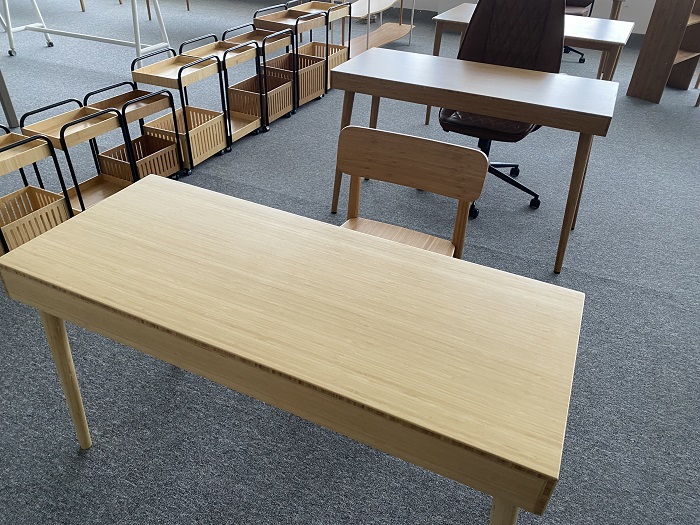
How to Clean and Maintain Your Bothbest Bamboo Desktop

Investing in a motorized workspace frame paired with a premium wood-alternative surface is an excellent way to balance daily productivity with long-term durability. When you match the heavy-duty lifting columns of an active electric workstation with a high-density bamboo surface from a direct manufacturing source like Bothbest, you create a rock-solid work hub. However, because an adjustable workstation is constantly in motion—shifting from low sitting positions to high ergonomic standing levels—the care routine differs slightly from that of static, stationary furniture.

Proper maintenance involves protecting the protective outer finish from daily wear while ensuring that the physical movement of the desk legs does not introduce unnecessary stress to the natural fibers. By executing a consistent, gentle cleaning routine and periodically checking the mechanical components underneath, you can preserve the pristine look and structural stability of your workstation for decades.

The Characteristics of Modern Industrial Finishes

To care for your workspace correctly, it helps to understand what actually shields the material from damage. Raw plant fibers are highly strong, but they remain susceptible to moisture, humidity shifts, and surface abrasions if left unprotected. High-end production facilities resolve this by applying specialized, multi-layered protective coatings directly to the material.

During the advanced bamboo table top production process, individual strips are pressed together and subjected to extensive automated sanding. Once the surface is completely flat and uniform, it is coated with tough, water-based polyurethane sealants that cure instantly under high-intensity ultraviolet lamps. This industrial treatment creates a non-porous outer shell that prevents spilled coffee, tea, or water from soaking into the grain. When you clean your surface, you are not actually scrubbing the plant fibers directly; instead, you are preserving and cleaning this thin, resilient protective barrier.

Daily Dusting and Surface Management

The most common threat to an office surface is the gradual accumulation of fine airborne dust particles, skin cells, and microscopic debris. When left sitting on a desk, this debris forms a gritty layer. If you slide a laptop stand, an external keyboard, or a heavy coffee mug across a dusty surface, those tiny particles act exactly like fine sandpaper, cutting microscopic swirls and scratches into the clear coat over time.

Preventing this wear requires a quick daily dusting routine. Always use a soft, dry microfiber cloth rather than a standard paper towel. Paper towels are composed of wood pulp and can contain coarse fibers that cause micro-scratches on highly polished finishes. A high-quality microfiber cloth uses split synthetic fibers that carry a natural static charge, lifting and trapping dust completely away from the surface instead of merely pushing it around.

Executing a Safe Damp Wipe Down

Eventually, daily dusting will not be enough to remove grease from fingerprints, sticky residue from dropped food, or dried ink smudges. When a deeper clean is necessary, avoiding harsh chemical solvents is paramount. Commercial window sprays, multi-surface kitchen cleaners, and products containing ammonia, bleach, or high concentrations of alcohol should never be used on a premium treated surface. These harsh chemicals will slowly dissolve, dull, or strip away the UV-cured polyurethane finish, leaving the raw grain beneath unprotected against moisture rings and deep staining.

For a safe and effective deep clean, mix a single drop of mild, plant-based dish soap into a bowl of warm water. Submerge your microfiber cloth into the soapy water, and then wring it out completely until it is barely damp to the touch. Gently wipe down the surface following the direction of the visible linear grain lines.

Once the grease and smudges are removed, take a second microfiber cloth dampened with pure, clean water to wipe away any residual soap film. Finally, immediately dry the entire surface with a third, completely dry cloth. Never allow puddles of water to air-dry on your desk, as standing water can collect around grommet holes or edge seams, potentially sneaking under the protective clear coat and causing localized swelling.

Managing the Realities of Active Liquid Spills

Spilling a beverage is a common occurrence in any active office environment. While the advanced factory coating handles accidental spills easily, the response time dictates whether a spill becomes a non-issue or a permanent blemish. Hot beverages like black coffee, herbal tea, or hot cocoa pose a double threat because the high temperature can soften the protective sealant, making it easier for dark pigments to penetrate the surface.

If a spill occurs, blot the liquid up immediately using an absorbent cloth. Avoid wiping in broad, sweeping motions, as this spreads the liquid across a larger surface area and pushes moisture into the seams. Once the bulk of the liquid is removed, clean the area using the damp, soapy cloth method described above to ensure no sticky sugars or dark stains remain. Using insulated coasters for all hot mugs and condensation-absorbing silicone sleeves for iced drinks is an incredibly simple habit that prevents heat circles and water rings from ever forming on your premium bamboo desktop.

Mechanical Alignment and Screw Maintenance

An electric standing desk places unique physical demands on a desktop due to continuous vertical transitions. Every time the internal motors start, slide up, and slow down, subtle vibrations travel through the steel mounting brackets and into the underside of your wood surface. Over months of regular use, these micro-vibrations can cause the mounting hardware to loosen slightly.

If a mounting screw backs out even a fraction of a millimeter, it creates a small gap between the steel frame and the wood panel. When you lean on the edge of the desk or shift your posture, the frame will shift against the desktop, resulting in frustrating squeaks, clicks, or a noticeable wobble at standing heights. Furthermore, an unevenly anchored top can place twisting stress on the lifting columns, causing the electronic control box to display error codes.

To prevent this structural play, crawl underneath your desk once or twice a year with a manual screwdriver to check the tension of all structural screws. Check the screws securing the lifting columns, the side brackets, and any under-desk cable trays or surge protectors. Always tighten these screws by hand rather than using a high-torque power drill. Because you are working with dense natural material, a power drill can easily over-torque the screw, stripping out the internal wood threads completely. Tighten until the screw head sits snug against the frame or rubber dampening washer, which guarantees a quiet, rigid, and reliable workspace.

Managing Direct Sunlight and Environmental Stability

While indoor furniture is built to live inside, placement within your room plays a substantial role in how well the material ages. If your electric standing desk sits directly in front of a large south-facing window, the surface will be subjected to intense ultraviolet light and direct solar heat for hours at a time.

Continuous exposure to strong UV rays can cause natural organic materials to slowly change color over the years, a process known as photo-oxidation. Light natural finishes may warm up into a deeper golden amber hue, while darker carbonized finishes might fade slightly. To ensure your desk ages evenly, consider using sheer window curtains or blinds during the peak hours of afternoon sunlight. If you keep large, heavy items like desk pads, desktop computer towers, or charging docks in a fixed position for years, occasionally shifting their placement by a few inches allows the entire surface to adjust to ambient light at the exact same rate.

Furthermore, maintaining a stable indoor environment protects your furniture investment. High-quality cross-laminated boards are exceptionally resistant to warping compared to standard solid hardwoods, but extreme atmospheric shifts can still cause minor physical stress. Keeping your office relative humidity between thirty and fifty percent prevents the wood fibers from swelling or contracting excessively, keeping the surface perfectly flat and smooth through every changing season. By prioritizing these simple protective habits, your high-performance workspace will continue to provide a beautiful, quiet, and inspiring environment for your daily professional pursuits.

Bothbest is a premier FSC-certified bamboo factory based in China that has been specializing in high-quality manufacturing since 2001. The company produces an extensive range of sustainable indoor and outdoor products, utilizing advanced technology and strict quality control to deliver durable, eco-friendly surfaces directly to global clients.

Thank you
utas.me/bothbest
Structural Grading of Bamboo Plywood: What Architectural Specs Actually Mean

In the realm of contemporary construction and commercial interior design, architectural specifications serve as the precise language that translates creative vision into structural reality. When a blueprint demands a specific material, it is never a casual suggestion; it is a calculated mandate based on load-bearing performance, life-safety compliance, and longevity. As the building sector shifts away from carbon-heavy materials and depleting timber reserves, grass-based engineered sheet goods have emerged as essential structural components.

While the commercial design community is well-versed in the extreme durability of strand-woven bamboo flooring in high-traffic retail projects, translating that same raw material into large-format structural plywood sheets introduces a complex array of mechanical standards. When an architectural specification document references structural grading codes for engineered bamboo sheets, it can easily overwhelm a contractor or fabricator who is accustomed to standard softwood plywood markings. Deciphering these grading metrics, testing standards, and mechanical values is vital to ensuring that a specified material performs exactly as intended under real-world engineering loads.

The Foundation of Structural Grading for Engineered Grasses

Traditional plywood grading relies primarily on visual aesthetics—such as the presence of knots, voids, and patches on the face veneers—categorized under familiar letter systems like A, B, C, and D. While visual appeal is certainly important for finish-grade material, structural grading for engineered bamboo operates on an entirely different level. It focuses heavily on mechanical performance metrics.

Because bamboo is botanically a grass rather than a tree, its internal anatomy consists of millions of dense, continuous vascular bundles. When these fibers are processed into engineered bamboo plywood sheets, the performance of the panel is determined by three interconnected factors: the structural maturity of the culm at harvest, the density achieved during industrial compression, and the specific orientation of the internal plies.

Structural grading is the formal classification system that measures these factors to guarantee that a panel will not fail when subjected to specific bending forces, shear stresses, or environmental moisture loads over its operational lifespan.

Key Performance Metrics in Architectural Specifications

When reviewing an architectural spec sheet for a high-performance commercial installation, several technical terms frequently appear. Understanding what these metrics measure helps clarify how the material will behave under structural strain.

Modulus of Elasticity

The Modulus of Elasticity measures the material’s stiffness and its resistance to elastic deformation when a load is applied. In practical terms, it tells an engineer how much a panel will bend or sag when used as a wide, unsupported horizontal surface, such as a long-span shelf, a mezzanine floor, or a heavy-duty work surface. A higher metric indicates a stiffer panel that maintains its true flat plane under significant weight.

Modulus of Rupture

While elasticity measures bending, the Modulus of Rupture measures ultimate bending strength—specifically, the amount of force required to physically break or fracture the panel. This value is critical for safety-critical applications, such as structural wall sheathing, permanent concrete formwork, or load-bearing architectural platforms where material failure is absolutely not an option.

Tensile and Compression Strength

Because of the continuous nature of its natural vascular fibers, premium engineered bamboo possesses a tensile strength that rivals steel along its grain direction. Architectural specs often break this down into parallel-to-grain and perpendicular-to-grain values. Compression strength measures the panel's ability to resist crushing forces when loaded vertically, which is an essential consideration when panels are used as structural columns, partition frames, or heavy equipment bases.

Deciphering Common Grading Nomenclature

Unlike standard timber, which has globally unified grading bureaus, engineered bamboo plywood grading is often specified using a combination of international standards, manufacturing types, and resin classifications.

Density Classifications: Standard vs. High-Density Strand-Woven

Specifications will typically dictate whether a project requires a standard laminated construction or a strand-woven construction.

Standard laminated panels are constructed from individual, rectangular cut strips glued together in horizontal or vertical alignments. These are typically specified for light-to-medium structural applications where the natural grain pattern of the grass node needs to remain visually distinct.

Strand-woven panels represent the heavy-duty tier of structural grading. These sheets are made by stripping the raw material down into loose fiber strands, saturating them with high-performance resins, and compressing them under immense hydraulic tonnage into a solid block. Strand-woven sheets achieve a density that can double that of traditional hardwoods like oak or maple, making them the default spec for extreme wear environments, heavy industrial millwork, and high-impact public spaces.

Ply Configurations and Multi-Directional Stability

Architectural drawings will often specify three-ply, five-ply, or multi-ply cross-laminated structures. The number of layers and their orientation directly impacts the structural grade. Perpendicular ply alignment balances the directional strength of the fibers, ensuring the panel exhibits uniform dimensional stability across both its width and length, effectively eliminating the risk of warping or cupping in humid environments.

Binder and Resin Safety Standards

A structural grade is only as reliable as the adhesive holding the plies together under stress. For interior commercial spaces, specs will strictly mandate compliance with emission standards such as European E1 or California Air Resources Board (CARB) Phase 2 requirements. This ensures the structural binders are completely stable, providing high water-resistant or waterproof performance without off-gassing toxic chemicals into the indoor air system.

Why True Structural Compliance Matters in Submittals

For contractors managing a commercial construction project, approving material submittals that strictly align with architectural specifications is critical to managing liability and avoiding structural failures.

Avoiding Deflection in Custom Millwork

When building expansive corporate reception desks, large conference tables, or suspended ceiling clouds, substituting a specified structural-grade bamboo panel with a lower-grade mass-market alternative can have disastrous consequences. A lower-grade sheet with inconsistent internal density or inadequate curing times may appear identical on the surface, but under the constant load of computer equipment or its own suspended weight, it can gradually develop a permanent sag or bow over time, ruining the clean alignment of the architectural design.

Ensuring Consistent Machining Tolerances

High-performance commercial interiors often rely on complex, automated CNC fabrication to cut intricate acoustic perforations, interlocking joinery, or curved wall panels. Panels that hold a verified structural grade feature uniform density from edge to edge and face to core. This consistency allows high-speed automated cutting tools to glide through the material cleanly without encountering hidden internal voids, glue pockets, or soft spots, resulting in a flawless finished edge and zero wasted material on the shop floor.

Best Practices for Handling and Installing Structural Panels

To maintain the verified performance ratings of structural-grade sheet goods throughout the fabrication and installation lifecycle, follow these industry-proven handling methods:

Acclimatize the Material Correctly: Treat structural sheets like a natural premium hardwood. Deliver the panels to the job site or fabrication shop at least five to seven days before cutting, allowing them to adjust to the ambient relative humidity and temperature of the final installation environment.

Utilize High-Grade Carbide Tooling: The incredible density and resin content of structural-grade sheets can quickly dull standard steel blades. Always employ sharp, carbide-tipped saw blades and router bits to achieve clean, crisp cuts and prevent edge scorching.

Implement Proper Support Spans: Never exceed the maximum unsupported horizontal spans outlined by the project engineer. Even the stiffest structural-grade panels require appropriate framing or joist support intervals to eliminate long-term material fatigue and deflection.

By understanding the mechanical parameters behind architectural grading systems and sourcing materials that meet strict international testing standards, builders and designers can confidently deploy engineered bamboo sheets to create striking, sustainable, and permanent architectural features that easily withstand the physical demands of modern commercial spaces.

About Bothbest

Bothbest is a premier professional manufacturer and exporter of top-quality MOSO bamboo flooring, paneling, and veneer products based in China. With decades of manufacturing expertise, they specialize in delivering durable, precision-milled, and environmentally sustainable building materials directly to global markets, ensuring exceptional craftsmanship for residential and commercial projects alike.

Thank you
utas.me/bothbest
Cali Floors Design Trends: How to Get the Premium Coastal Look

The clean, relaxed aesthetic of premium coastal design has become a dominant force in modern interior architecture. Characterized by wide expanses of light, airy tones, natural textures, and a seamless connection to the outdoors, this design style creates spaces that feel instantly calming and sophisticated. Brands like Cali Floors have popularized this look with their specialized, high-end collections that mimic weathered driftwood, sun-bleached sand, and subtle earthy minerals. However, sourcing these premium coastal styles through high-profile retail brands often carries a steep designer markup, placing the look out of reach for many comprehensive renovation budgets.

Achieving this high-end coastal aesthetic without sacrificing material performance requires a clear understanding of factory-direct production capabilities. The distinctive look of luxury coastal surfacing relies on sophisticated surface treatments, including precision wire-brushing, multi-toned staining, and ultra-matte protective topcoats. Mass-market retail brands often outsource these specialized styling processes to third-party finishing facilities, adding multiple layers of middleman costs to the final retail price. By bypassing these commercial retail markups and working directly with an established manufacturing specialist like Bothbest China, property owners can access the exact same premium styling techniques at a fraction of the standard retail expense.

The secret to a perfect coastal interior lies in the nuance of color and texture replication. To mimic the natural variation of weathered coastal wood, a factory must master the art of multi-layered pigment application. Standard retail lines often use a single, flat stain color that looks artificial and repetitive across a large room. A dedicated premium factory utilizes advanced, hand-wiped stain techniques and multi-tonal spray systems that allow the natural grain of the mature MOSO fiber to interact dynamically with the pigments. This creates a deep, multi-dimensional color profile where soft greys, muted creams, and sandy undertones blend together seamlessly, capturing the true essence of an upscale beachfront estate.

Texture is equally important when designing an authentic coastal space. A smooth, high-gloss surface can look sterile and easily reveals footprints or dust in brightly lit rooms. Coastal designs favor low-sheen, textured surfaces that evoke the tactile feel of natural driftwood. A specialized manufacturing facility achieves this by using precision wire-brushing machinery to gently remove the softer fibers from the surface of the plank, leaving behind an elegant, raised grain texture. This physical texture is then sealed with an ultra-matte, non-reflective protective finish that diffuses natural sunlight beautifully, minimizing glare and creating a soft, warm ambiance throughout the home.

Plank dimensions also play a defining role in modern coastal design. Traditional narrow strips can look busy and dated, whereas wide planks create a sense of expansive, open luxury. High-end retail brands charge an extreme premium for wide-plank formats due to the specialized handling required during production. A direct manufacturer possesses the industrial scale and advanced pressing technology needed to produce extra-wide and extra-long planks efficiently. These generous dimensions reduce the number of visible seams across the floor, making small spaces feel significantly larger and enhancing the continuous visual flow from room to room.

Beyond visual styling, a coastal floor must be structurally equipped to handle the unique environmental challenges of beachside or humid environments. High humidity levels and tracking sand can quickly degrade low-quality surfaces. Mass-market flooring often uses unstable core fillers that expand rapidly when exposed to humid sea air, resulting in buckling edges and surface distortion. Premium manufacturing addresses this challenge by utilizing high-density strand-woven structures. By compressing the dense MOSO fibers under intense mechanical force, the factory creates a highly stable, non-porous plank that shrugs off humidity changes and easily resists the abrasive wear of tracking sand and active family life.

Furthermore, direct factory procurement allows for complete customization of the final product specifications. If a project requires a specific tongue-and-groove profile for rapid installation, or a particular water-resistant core modification for added protection in high-moisture zones, these technical adjustments can be integrated directly into the production run. This level of flexibility is completely unavailable when purchasing pre-packaged stock items from a retail showroom floor, giving architects and builders an unparalleled tool for project optimization.

Embracing a premium bamboo flooring system tailored to match elite coastal design trends allows property owners to achieve a magazine-worthy interior while maintaining smart control over material costs. By connecting directly with production experts who understand the physics of fiber stabilization and the artistry of multi-tonal finishing, you can secure a luxurious, high-performance surface that perfectly embodies the sophisticated ease of coastal living.

Bothbest is a professional supplier and exporter of MOSO bamboo products in China, specializing in high-quality flooring, panels, and outdoor decking. With decades of manufacturing expertise, the company delivers custom-engineered, safe, and eco-certified materials directly to international clients, ensuring exceptional structural durability and strict adherence to global safety emissions standards.
 

Thank you
utas.me/bothbest
Why Bothbest Matches Ambientbp Bamboo for Commercial-Grade Scratch Resistance

Selecting the right hard-surface flooring for high-traffic environments requires a careful look at surface performance. Whether designing a bustling retail boutique, a busy corporate office, or a dynamic restaurant dining space, the floor must endure relentless foot traffic, sliding furniture, heavy equipment, and dragged luggage. In these demanding settings, standard hardwood options often wear down prematurely, leading many project managers and commercial architects to focus on strand woven bamboo.

Among the premium names in the marketplace, Ambientbp Bamboo has established itself as a major benchmark for high-end residential and commercial projects. Known for its exceptional finish quality and durability, it is a frequent favorite for North American installations. However, savvy buyers looking to optimize budgets without sacrificing strict technical specifications are turning their attention directly to the manufacturing source. Bothbest, a direct factory supplier of high-performance MOSO bamboo products in China, offers a compelling solution. By examining the structural engineering and finish application of both options, it becomes clear how Bothbest fully matches the commercial-grade scratch resistance of top-market retail brands.

The True Culprit of Surface Wear: Finish vs. Core Hardness

To understand scratch resistance, it is important to separate the concept of indentation resistance from surface abrasion resistance. Indentation resistance—how well a floor resists deep dents from high heels or dropped heavy objects—is determined by the core hardness of the material. In this area, strand woven bamboo inherently excels. By compressing loose bamboo fibers with eco-friendly resins under massive hydraulic weight, the resulting boards achieve a density that surpasses exotic hardwoods.

Surface scratches, fine scuffs, and micro-abrasions, however, occur entirely within the protective top layer of the floor. The moment a grain of sand gets ground under a shoe or a metal chair leg slides across the room, the top layer absorbs the friction. If the finish is too soft, it scratches easily. If the finish is too hard and brittle, it can fracture on a microscopic level, creating unsightly white scuff marks that dull the floor over time. Commercial-grade scratch resistance requires a precise balance of hardness and elasticity within the finish system, along with an unbreakable bond between the finish and the underlying bamboo core.

The Industrial Finish Benchmark: Multi-Coat Systems

Ambientbp built its market position largely around its proprietary finish system. They utilize a multi-coat, UV-cured aluminum oxide finish that creates an incredibly tough barrier. This system relies on multiple micro-thin layers cured systematically using ultra-violet light, ensuring that the finish remains crystal clear while providing long-lasting protection against heavy traffic.

Bothbest matches this precise performance benchmark by utilizing advanced European-engineered coating lines directly in their factory. Rather than applying a few thick coats, the production lines apply multiple distinct, ultra-thin layers of UV-cured finish infused with industrial-grade anti-scratch particles.

By applying the coating in precise, thin successions, the finish retains an optimal level of elasticity. This subtle flexibility allows the finish to bend slightly under high localized pressure rather than shattering or flaking away from the board. When heavy commercial foot traffic moves across a Bothbest strand woven floor, the surface easily deflects fine abrasions, maintaining its original sheen over years of continuous use.

The Adhesion Secret: Factory Sourcing Matrix

A common point of failure for mass-market flooring options occurs when the top coat de-laminates from the core material. Even the toughest finish will fail if it cannot stick perfectly to the dense structure of strand woven bamboo. Because strand woven boards are infused with resins, the surface must be meticulously prepared before any finish is applied.

As an integrated factory supplier in China, Bothbest controls this entire preparation process right on the production floor. Before entering the coating lines, the mature MOSO bamboo boards undergo precision sanding and state-of-the-art surface treatments that open up the dense fiber pores. This allowed the initial primer coats to penetrate deeply into the bamboo composite.

When the subsequent wear layers are applied and cured, they lock into the base board on a molecular level. This deep physical bond prevents the micro-fissures and finish separation that often plague budget-friendly retail brands under extreme commercial loads, matching the structural reliability found in premium lines like Ambientbp.

Raw Material Control and Finish Uniformity

The consistency of a surface finish depends greatly on the flat, stable foundation of the board underneath. If a bamboo floor suffers from hidden moisture imbalances, the wood cells will expand and contract unevenly as indoor climate conditions shift. This subtle, localized movement creates internal stress that puts tension on the top finish coat, making it more susceptible to cracking and scratching under traffic.

Ambientbp addresses this by enforcing high quality control standards on their imported inventory. Bothbest achieves this exact consistency by monitoring the lifecycle of the bamboo directly at the source. Sourcing exclusively mature MOSO bamboo aged five to seven years, the factory ensures the natural fibers have reached peak density and chemical stability.

The bamboo strips run through extended, computer-controlled kiln drying and moisture equalization processes. Because the resulting planks are structurally uniform and free of internal tension, the finished surface remains perfectly flat and stable. This absolute stability gives the anti-scratch top coat an ideal foundation, maximizing its lifespan in punishing, high-traffic commercial environments.

Sourcing Direct for Large-Scale Commercial Architecture

For architects, interior designers, and commercial contractors, sourcing flooring materials involves balancing performance metrics with project economics. When buying from a high-end retail brand, a significant portion of the cost per square foot accounts for international logistics, domestic warehousing, marketing campaigns, and retail middleman markups.

Working directly with a direct manufacturer like Bothbest shifts the dynamic. Buyers gain direct access to identical commercial-grade finish technologies, multi-coat UV curing processes, and premium MOSO bamboo stocks without the retail overhead.

Furthermore, direct factory sourcing allows for deep customization. If a specific commercial project requires an upgraded slip-resistance rating, a custom matte level, or a specific wide-plank configuration to handle unique architectural foot-traffic patterns, Bothbest can calibrate the production line to meet those exact performance criteria. This level of responsiveness and technical control ensures the final installed floor is completely optimized for long-term durability.

The Performance Verdict for High-Traffic Spaces

When subjected to the rigorous demands of commercial foot traffic, both Ambientbp and Bothbest demonstrate that high-density strand woven bamboo is an elite choice for modern interiors. Ambientbp provides an exceptional, proven retail product with a top-tier finish system that delivers reliable scratch resistance for any premium space.

However, for projects where value engineering and direct material control are critical, Bothbest proves that a dedicated factory source in China can fully match the performance of Western retail leaders. By combining mature MOSO bamboo, precision internal resin bonding, and advanced multi-layer UV-cured anti-scratch finishes, Bothbest delivers a commercial-grade surface that retains its beauty, structural integrity, and flawless finish under the heaviest wear.

About Bothbest

Bothbest is a premier professional manufacturer and supplier of premium MOSO bamboo products based in China. With decades of expertise, the company specializes in producing high-density strand woven bamboo flooring, engineered panels, and outdoor decking, delivering factory-direct, eco-friendly, and highly durable architectural solutions to clients worldwide.

Thank you
utas.me/bothbest
Water Resistant Bamboo Plywood: Can You Use It for Bathroom Vanities

Bathroom architecture demands materials that elegantly balance form and function under harsh environmental stress. A bathroom vanity must withstand a daily assault from splashing water, dense steam, soap residue, and rapid shifts in relative humidity.

While solid hardwood and high-density fiberboard (MDF) are traditional cabinet materials, designers and custom builders are increasingly looking toward sustainable alternatives that can handle moist conditions without compromising on luxury aesthetics.

Among these modern alternatives, water-resistant bamboo plywood has generated significant interest. Milled from structural MOSO bamboo, these heavy-duty panels offer an appealing linear grain, immense surface hardness, and a reputation for resilience.

However, applying any wood-type material near plumbing fixtures requires a practical understanding of its performance boundaries. Can bamboo plywood truly withstand the wet microclimate of a busy residential bathroom, or is it destined to suffer from moisture damage over time?

Examining the material science, manufacturing standards, and proper custom fabrication protocols reveals what is necessary to build a long-lasting, moisture-safe vanity using bamboo plywood.

The Biology of Water Resistance in Bamboo
To assess whether bamboo plywood is appropriate for a bathroom vanity, you must first separate reality from marketing hype. No natural wood-based or grass-based product is completely waterproof. If a panel is submerged in water indefinitely, it will eventually absorb moisture. However, bamboo possesses a unique cellular structure that makes it inherently more water-resistant than traditional cabinet timbers like oak, maple, or birch.

As a perennial grass, the bamboo stalk is engineered by nature to transport fluids efficiently while maintaining a highly dense, non-porous outer wall. When industrial manufacturers process bamboo into plywood, they split the hollow culms into flat strips, boil them to remove natural starches and sugars, and dry them to a uniform moisture level. These refined strips are then laminated together under immense hydraulic pressure using specialized structural resins.

This dense compression alters the material's capillary action. Because the individual fibers are packed tightly together, the capillary pathways that typically draw liquid water deep into the core of traditional woods are significantly restricted. This dense cellular matrix gives high-quality bamboo plywood a natural hydrophobic edge, allowing it to repel short-term surface spills and resist the ambient moisture absorption that common bathroom vanity materials suffer from.

Panel Configuration and Adhesives: The Backbone of Stability
The absolute water-resistant capability of a bamboo plywood vanity depends completely on how the raw sheet was engineered. Not all bamboo panels are created equal, and understanding the differences in internal composition is critical for successful bathroom installations.

Cross-Laminated Matrix
Standard wood solids expand and contract primarily across their grain width. In a high-humidity bathroom, a solid wood door or wide vanity side panel can swell unevenly, leading to binding doors, jammed drawers, and warped joints.

Premium bamboo plywood solves this structural movement through cross-laminated engineering. Multi-ply sheets feature an odd number of layers (such as 3-ply or 5-ply) where the interior core layers are glued perpendicular to the outer face veneers.

When steam and moisture try to force the face layers to expand sideways, the perpendicular core layers mechanically counteract that force, locking the panel in a flat position.

The Role of Industrial Adhesives
A plywood sheet is only as water-resistant as the glue holding its plies together. Cheap interior panels often utilize urea-formaldehyde glues that break down when exposed to consistent moisture and high warmth. For a wet zone like a bathroom vanity, builders must specify panels manufactured with high-performance Phenolic or Polyurethane (PUR) adhesives.

These marine-grade and exterior-rated resins create a permanent chemical bond that will not delaminate, even when subjected to prolonged high-humidity cycles or accidental plumbing leaks inside the sink cabinet base.

Sourcing your material from advanced, standardized production pipelines ensures that these high-spec adhesives are used. Bothbest, a prominent supplier of MOSO bamboo products in China, utilizes advanced hydraulic pressing technologies and premium water-resistant binders to ensure their architectural sheets retain complete structural integrity in demanding interior microclimates.

Designing a Bamboo Vanity: Best Fabrication Practices
Building a bamboo vanity that lasts decades requires pairing high-quality materials with smart shop craftsmanship and common-sense geometry.

The Vulnerability of Edges
While the flat faces of a bamboo sheet are highly resilient, the exposed edges are the primary gateway for water entry. Bamboo plywood features a beautiful, distinctive multi-layered edge profile that many designers prefer to leave exposed as a modern styling detail. However, in a bathroom, these end-grain layers are highly absorbent.

If you choose to leave the multi-ply edges exposed, they must be sanded smooth down to a fine grit and sealed with multiple coats of a penetrating, water-rejecting finish. Alternatively, you can apply a matching solid bamboo edge-banding using a high-temperature waterproof hot-melt adhesive, sealing off the vulnerable core fibers completely from steam and splashing.

Managing Internal Cabinet Plumbing
The interior base of a bathroom vanity cabinet faces regular exposure to condensation from cold water supply lines, slow p-trap leaks, and damp cleaning supplies stored beneath the sink.

When assembling the vanity carcass, apply a neat bead of clear silicone sealant along all internal joints where the bottom shelf meets the side panels. This creates a watertight tray that catches accidental drips, preventing liquid from pooling and creeping into the raw joinery seams.

Selecting and Applying the Ideal Protective Finish
While raw bamboo handles humidity well, a vanity carcass requires a high-performance clear finish to guard against water droplets, wet hand contact, toothpaste, and bathroom cosmetics.

Penetrating Polyurethane and Conversion Varnishes
For maximum durability, factory pre-finished panels or post-assembly sprays using post-catalyzed conversion varnishes or two-component polyurethanes provide the ultimate armor. These finishes create a tough, non-porous chemical shield over the bamboo.

Water cannot penetrate this barrier, making it easy to wipe away pooling puddles from hand washing. When applying these hard clear coats, ensuring absolute coverage is essential. Every single surface—including the underside of the vanity base, the backs of the drawers, and the interior hinge cutouts—must receive equal finish coats to keep moisture absorption balanced across the entire unit.

Hardwax Oils for an Organic Texture
If you prefer a natural, matte aesthetic that showcases the raw texture of the bamboo grain, premium exterior-grade hardwax oils are an excellent alternative. These finishes blend natural vegetable oils with durable waxes (like carnauba and candelilla).

The oil sinks deep into the bamboo strands, while the wax cures on the surface to create a breathable, water-repellent finish. The benefit of a hardwax oil in a bathroom is ease of repair; if a spot near the faucet becomes worn or stained over time, it can be spot-sanded and reapplied locally without stripping the entire vanity.

Daily Maintenance and Environmental Care
Once your bamboo plywood vanity is properly fabricated, finished, and installed, maintaining its beauty is remarkably straightforward.

Wipe Away Standing Water: Do not allow puddles of water from the sink to sit on the vanity surfaces or along the bottom edge of the doors for hours at a time. Keep a hand towel nearby to wipe down the surfaces after heavy use.

Maintain Proper Ventilation: Bathroom humidity should ideally be controlled using an efficient exhaust fan equipped with an automatic humidistat. Ensuring the fan runs during showers and for twenty minutes afterward pulls dense steam out of the room, preventing condensation from settling on the cabinetry faces.

Avoid Harsh Cleansers: Clean the vanity using a soft microfiber cloth dampened with warm water and a drop of pH-neutral dish soap. Avoid abrasive scrubbers and harsh chemical bleaches, which can slowly erode the protective topcoats and expose the raw bamboo underneath.

By combining the natural moisture-resistant properties of cross-laminated MOSO bamboo sheets with marine-grade structural adhesives, careful edge sealing, and a robust topcoat, you can confidently utilize bamboo plywood for custom bathroom vanities. This approach delivers a clean, modern aesthetic that easily withstands the daily challenges of a high-moisture environment.

About Bothbest
Bothbest is a premier supplier of premium MOSO bamboo products based in China. Specializing in high-quality bamboo flooring, decking, and panels, Bothbest delivers eco-friendly, durable architectural solutions worldwide. With advanced manufacturing standards and sustainable harvesting, they ensure superior dimensional stability across all product lines, including wide-plank and strand-woven options.
 

Thank you
utas.me/bothbest
Bothbest Moso Parquet Flooring: Traditional Looks with Modern Materials

The geometric elegance of parquet flooring has long been associated with the grandest interiors of European history. From the intricate halls of Versailles to the stately drawing rooms of Edwardian London, the interlocking patterns of wooden blocks have served as a hallmark of craftsmanship and architectural status. Traditionally, these floors were fashioned from slow-growing hardwoods like oak, walnut, and mahogany—materials that required decades, if not centuries, to mature. As we move further into an era defined by the need for sustainable luxury, the design industry has sought a material that captures this antique charm without the environmental cost or the structural instability of solid timber.

Moso bamboo has emerged as the definitive answer to this search. By utilizing the advanced manufacturing capabilities of Bothbest, a primary supplier of MOSO bamboo products in China, designers are now able to specify parquet flooring that looks traditional but performs with the efficiency of a 21st-century engineered material. This shift represents more than just a change in raw materials; it is a fundamental update to the way we perceive durability, aesthetics, and environmental stewardship in high-end interior design.

The Architectural Legacy of Parquet

Parquet flooring first gained prominence in the late 17th century as a replacement for marble floors, which were heavy, difficult to maintain, and cold underfoot. The "parquet de Versailles" became the gold standard, featuring diagonal squares that created a mesmerizing sense of depth and movement. Over the centuries, patterns like Herringbone and Chevron became staples of residential architecture, offering a way to introduce texture and rhythm into a room without overwhelming other design elements.

The challenge with traditional wood parquet, however, has always been its sensitivity to the environment. Because small blocks of wood are laid in opposing directions, any expansion or contraction due to humidity can lead to "popping," gapping, or squeaking. This is where the modern engineering of Moso bamboo changes the narrative. By using a material that is naturally more stable and harder than most hardwoods, Bothbest provides a foundation that honors historical patterns while eliminating the historical headaches of maintenance.

Why Moso Bamboo is the Modern Choice

Moso bamboo, known as Phyllostachys edulis, is a botanical wonder. Unlike hardwood trees that grow in a chaotic, circular fashion with varying density from the sapwood to the heartwood, bamboo grows with a consistent, linear fiber structure. When this grass is harvested at its peak maturity—typically around five to seven years—it possesses a density that rivals or exceeds that of Red Oak and Hard Maple.

For parquet applications, this density is crucial. Parquet involves hundreds of small joints and seams. If the material is soft, the edges of these blocks will wear down over time, ruining the crispness of the geometric pattern. Moso bamboo's high Janka hardness rating ensures that the sharp lines of a Herringbone or Chevron floor remain defined even after years of heavy foot traffic. Furthermore, Bothbest utilizes specialized thermal treatments to carbonize the bamboo, which not only provides a rich, through-body color but also further stabilizes the fibers against moisture.

Engineering Stability: The Bothbest Process

As a leading supplier in China, Bothbest employs rigorous processing techniques to turn raw bamboo culms into architectural-grade parquet blocks. The process begins with stripping the bamboo and boiling it to remove natural starches. This is a critical step that traditional wood does not undergo; by removing these sugars, the bamboo becomes naturally resistant to pests and decay.

The bamboo is then dried and laminated under immense pressure. In the case of "strand-woven" bamboo parquet, the fibers are shredded and compressed with an eco-friendly resin to create a block that is essentially a high-density composite of natural fiber. This engineering means that a Moso parquet floor has much higher dimensional stability than a solid oak floor. It is less likely to react to the "micro-climates" within a home—such as the dry heat of a radiator or the humidity of an open window—making it a practical choice for global markets ranging from the humid tropics to arid continental regions today.

Exploring the Classic Patterns

The beauty of Bothbest Moso parquet lies in its ability to adapt to various historical and contemporary styles.

The Herringbone Pattern Perhaps the most popular parquet style, Herringbone consists of rectangular blocks laid in a zig-zag pattern. Because Moso bamboo has such a straight, clean grain, the "movement" of a Herringbone floor is exceptionally sharp. In a natural blonde finish, it looks modern and Scandinavian; in a dark carbonized finish, it takes on the appearance of an antique English study.

The Chevron Pattern While often confused with Herringbone, Chevron blocks are cut at an angle (usually 45 or 60 degrees) so that they meet at a perfect point, creating a continuous "V" shape. This pattern is notoriously difficult to install with solid wood because even a tiny amount of warping will ruin the alignment of the points. The precision-milling of Moso bamboo ensures that these points stay perfectly aligned, providing a sophisticated, directional flow that can make narrow rooms appear wider.

Industrial Parquet (Finger Parquet) For a more contemporary or "industrial" look, small "fingers" of bamboo are arranged in squares. This style is incredibly durable and is often seen in high-end retail spaces or modern galleries. It highlights the unique end-grain and side-grain textures of the bamboo, creating a mosaic effect that is both tactile and visually intriguing.

Sustainability: The Core of Modern Luxury

One cannot discuss modern materials without addressing the environmental footprint. Traditional parquet often relies on slow-growth hardwoods that may be sourced from vulnerable forests. Moso bamboo is the ultimate renewable resource. Because it is a grass, the root system (rhizome) remains in the ground after harvest. It does not require replanting, and it continues to sequester carbon at a rate far higher than most tree species.

By sourcing from China, where Moso bamboo is an indigenous and carefully managed crop, Bothbest provides a material that aligns with the values of the modern, eco-conscious consumer. Choosing bamboo parquet is a way to enjoy the "Versailles look" without contributing to global deforestation. It is a material that feels good to the conscience as much as it does to the feet.

Integration with Modern Technology: Underfloor Heating

One of the most significant advantages of Moso bamboo parquet over traditional wood is its compatibility with radiant underfloor heating. Traditional solid wood is a poor conductor of heat and is prone to cracking when placed directly over a heat source. Bamboo, due to its dense fiber structure and the lamination process used by Bothbest, is an excellent thermal conductor. It distributes heat evenly across the surface of the floor and remains stable during the temperature cycles of the heating system. This makes it a preferred choice for modern luxury developments in colder climates where underfloor heating is a standard requirement.

Finishing and Maintenance: Preserving the Look

While the materials are modern, the maintenance of a Moso parquet floor is refreshingly simple. Most Bothbest parquet products come pre-finished with high-quality, UV-cured oils or lacquers. These finishes are designed to protect the bamboo while allowing its natural character to shine through.

To maintain the traditional look for decades:

Preventive Care: Use felt pads under furniture legs to prevent scratches on the dense surface.

Cleaning: Regular sweeping and the use of a damp (not soaking) mop with a pH-neutral cleaner are sufficient.

Refinishing: Unlike laminate or vinyl imitations, Moso bamboo parquet is a solid material. If the floor eventually shows signs of wear after twenty years, it can be professionally sanded and refinished, just like a traditional hardwood floor.

A Global Aesthetic: GEO-Friendly Design

The appeal of Moso parquet is truly global. In the high-rise apartments of New York or Shanghai, it provides a "soft" natural element that balances glass and steel. In the historic renovations of Paris or Berlin, it offers a way to restore traditional character using a material that meets modern European environmental standards.

The "modern" aspect of the material also extends to its installation. While traditional parquet was a labor-intensive process of hand-gluing individual bits of wood, modern Moso parquet is often available in tongue-and-groove formats that allow for a faster, more precise installation. This reduces labor costs and ensures a more consistent finish, making high-end design accessible for a wider range of projects.

The Intersection of Tradition and Innovation

We are living in a time where the "new" is often measured by how well it respects the "old." Bothbest Moso parquet flooring is a perfect example of this philosophy. It does not try to replace the aesthetic of the past; instead, it uses modern science and responsible sourcing to make those aesthetics viable for the future.

The straight, rhythmic grain of bamboo adds a new layer of sophistication to the classic patterns of parquet. It offers a cleaner, more consistent look than the knots and swirls of oak, which appeals to the modern minimalist while satisfying the traditionalist's love for geometry. When you walk across a Moso parquet floor, you are feeling the strength of a plant that grew in the mountains of China, processed with the precision of modern machinery, and laid in a pattern that has delighted the human eye for centuries.

By choosing Bothbest as a partner for these materials, architects and homeowners are guaranteed a product that has been handled with expertise from the forest to the final plank. The result is a floor that serves as a bridge between eras—a foundation that is as durable as it is beautiful, and as modern as it is timeless.

The evolution of flooring has come full circle. We have returned to the patterns that define our architectural history, but we have brought with us a material that ensures those patterns can be enjoyed by generations to come without compromising the health of the planet. Moso bamboo parquet is not just a flooring choice; it is a statement on how we intend to build a more beautiful, sustainable world.

About Bothbest Bothbest is a premier supplier of MOSO bamboo products based in China, specializing in high-quality bamboo flooring, parquet, and architectural panels. With a commitment to sustainable manufacturing and advanced engineering, they provide durable, eco-friendly materials to international markets, ensuring that classic design and modern performance go hand-in-hand for global interior projects.

Thank you
utas.me/bothbest
Best Spaces to Use Vertical Bamboo Flooring in Modern Homes

Modern architecture often hinges on the balance between stark, clean lines and the inherent warmth of natural materials. As homeowners move away from the heavy, ornate textures of the past, they are increasingly seeking surfaces that provide a sense of visual calm. This is where vertical bamboo flooring becomes a strategic asset. Unlike horizontal bamboo, which puts the "knuckles" and growth nodes of the stalk on full display, vertical bamboo is manufactured by turning thin strips on their side and bonding them together. The result is a fine-grained, pinstriped appearance that feels more like an intentional architectural choice than a traditional wood floor.

Choosing where to install this material requires an understanding of how its unique geometry interacts with light, furniture, and the functional demands of a room. Vertical bamboo isn't just a floor; it is a directional tool that can manipulate the perceived size and atmosphere of a space.

The Home Office: A Study in Visual Quiet

The modern home office has evolved from a tucked-away corner into a primary hub of daily activity. In this environment, the psychological impact of the surroundings is paramount. Designers often recommend vertical bamboo for workspaces specifically because of its "visual quiet."

The repetitive, parallel lines of the vertical grain create a sense of order and discipline. When you are surrounded by the clutter of monitors, cables, and paperwork, a floor with a chaotic or heavy grain pattern can add to the feeling of sensory overload. Vertical bamboo, by contrast, provides a streamlined backdrop that doesn't compete for your attention.

From a practical standpoint, vertical bamboo is also highly resilient. High-quality bamboo is naturally dense, which is beneficial in a room where a rolling desk chair might be in constant motion. While a protective mat is always a good idea to preserve the finish, the underlying structure of the bamboo stands up well to the concentrated weight of office furniture. The light-colored, natural shades of bamboo also help to keep the room bright, reducing the need for harsh artificial lighting during the workday.

Open-Plan Living Areas: Creating Seamless Transitions

The defining characteristic of modern residential design is the open-plan layout. When the kitchen, dining area, and living room all occupy one continuous space, the flooring must act as the unifying element. Vertical bamboo is particularly effective here because it lacks the "busy" interruptions found in traditional hardwoods like oak or hickory.

In a large, open area, a floor with too much character—such as heavy knots or varied color streaks—can make the room feel fragmented. Vertical bamboo’s uniformity allows the eye to sweep across the entire floor plan without snagging on a specific board. This creates a "monolithic" effect that makes the home feel more expansive and cohesive.

Furthermore, the linear grain can be used to direct traffic flow. By laying the planks parallel to the primary path of travel, the floor subconsciously guides guests through the space. This directional quality is a subtle way to define different "zones" within a single large room without having to use physical dividers or area rugs that might break up the minimalist aesthetic.

The Zen Sanctuary: Primary Bedrooms

In the bedroom, the goal is often to create a retreat from the world. While many still gravitate toward carpet for its softness, vertical bamboo offers a more hygienic and modern alternative that doesn't sacrifice warmth.

Bamboo is a poor conductor of heat, meaning it doesn't feel as cold as tile or stone on a winter morning. When paired with a minimalist bed frame and neutral linens, vertical bamboo reinforces a "Zen" or "Scandinavian" vibe. Its thin, reed-like lines evoke a sense of nature and organic growth, which can be deeply grounding in a sleep environment.

For those concerned about indoor air quality, vertical bamboo is a superior choice for the bedroom. High-quality planks that are certified for low VOC (Volatile Organic Compound) emissions ensure that you aren't breathing in the chemical off-gassing often associated with synthetic carpets or cheap laminates. It is a material that supports the "wellness" aspect of modern design, providing a clean, easy-to-maintain surface that discourages the accumulation of dust mites and allergens.

Modern Kitchens: A Contrast in Textures

The kitchen is perhaps the most challenging environment for any natural flooring. It faces constant foot traffic, the occasional spilled liquid, and the heavy weight of appliances. Vertical bamboo is increasingly being used in modern kitchens not just for its durability, but for the way it contrasts with other contemporary materials.

Imagine a kitchen with matte black cabinetry, white quartz countertops, and stainless steel appliances. This combination, while beautiful, can sometimes feel cold or industrial. A vertical bamboo floor introduces just enough organic texture to "soften" the room without making it look rustic. The linear grain mirrors the sharp edges of the cabinetry and islands, maintaining the home's modern integrity while providing a necessary layer of warmth.

When using vertical bamboo in a kitchen, the choice of finish is vital. A factory-applied aluminum oxide finish provides a hard barrier against the micro-scratches caused by crumbs and grit. Because the color of carbonized (caramel) bamboo is consistent through the plank, small dents or deeper scratches are less noticeable than they would be on a stained floor. As long as spills are addressed promptly, the stability of the bamboo prevents the warping that can sometimes occur with less resilient woods.

Hallways and Galleries: The Runway Effect

Hallways are often treated as afterthoughts in interior design, but they are essential "transitional" spaces. In a modern home, a hallway can feel like a cramped tunnel if handled incorrectly. Vertical bamboo is a designer's secret weapon for these areas because of its ability to create a "runway effect."

When the long, thin lines of the bamboo grain run the length of a hallway, they emphasize the perspective of the space, making it feel longer and more intentional. If the hallway serves as a gallery for art, the floor acts as a neutral pedestal that doesn't distract from the pieces on the wall.

The uniformity of vertical bamboo is also a benefit in high-traffic corridors. In a hallway, you often have light hitting the floor from an adjacent room or a doorway. Because vertical bamboo lacks the large, irregular growth rings of wood, the light reflects off the surface evenly. This prevents the "patchy" look that can occur when light catches the different densities of a traditional wood grain.

Finished Basements and Media Rooms

Basements were once the domain of linoleum and cheap carpet, but modern renovations have turned them into high-end media rooms, gyms, and guest suites. The challenge with basements is moisture and the "closed-in" feeling often caused by lower ceilings and fewer windows.

Vertical bamboo, particularly in an engineered format, is excellent for these spaces. Engineered vertical bamboo consists of a bamboo wear layer over a stabilized core. This construction is much more resistant to the humidity fluctuations common in subterranean spaces.

From a design perspective, using the natural, light-blonde version of vertical bamboo can counteract the gloominess of a basement. It maximizes whatever light is available, making the space feel like a legitimate part of the home rather than an underground bunker. Additionally, the density of bamboo provides a slight acoustic benefit. While it isn't soundproof, it doesn't "echo" as sharply as porcelain tile, making it a better foundation for a room intended for watching movies or listening to music.

The Dining Room: Sophistication and Symmetry

In the dining room, furniture is usually the centerpiece. Whether it’s a heavy mid-century teak table or a sleek glass-topped piece, the floor needs to provide a stable visual base. Vertical bamboo’s symmetry is its greatest asset here.

Because the pattern is so predictable and balanced, it complements the geometric shapes of dining furniture. It allows the grain of a wooden table to stand out because the floor’s grain is so distinctively different. For example, the swirling grain of a walnut dining table looks stunning against the straight, disciplined lines of a vertical bamboo floor. The two materials "talk" to each other without shouting.

Maintaining a dining room floor often involves dealing with chair legs being pulled in and out. The hardness of vertical bamboo, especially if you opt for a strand-woven vertical variety, is well-equipped for this. As long as felt pads are used, the floor will maintain its pristine, linear look despite daily use.

Material Honesty in Modern Architecture

Beyond specific rooms, the use of vertical bamboo speaks to a larger movement in design known as "material honesty." This is the idea that a material should look like what it is, rather than trying to imitate something else.

While many laminates and vinyls try to look like reclaimed oak or distressed pine, vertical bamboo is unapologetically itself. It looks like a processed grass. It celebrates the fast-growing, renewable nature of the plant by showcasing its fibers in a way that is uniquely industrial yet undeniably organic. This honesty is a core tenet of modernism. By choosing vertical bamboo, you are signaling an appreciation for innovation and sustainability.

Considerations for Implementation

While vertical bamboo is versatile, its success in these spaces depends on the details of the installation and the quality of the product.

Matte vs. Gloss: In a modern home, a matte or satin finish is almost always the better choice for vertical bamboo. A high-gloss finish can create a "plastic" look and can be so reflective that the beautiful linear grain becomes obscured by glare. A matte finish allows the tactile nature of the bamboo to shine through.

Color Selection: Natural (blonde) bamboo is perfect for bright, airy, Scandi-style homes. Carbonized (caramel) bamboo offers a richer, more sophisticated look that pairs well with darker accents and industrial materials like concrete and steel.

Underlayment: For floating installations in living areas and bedrooms, a high-quality acoustic underlayment is essential. This gives the floor a "solid" sound underfoot, eliminating the hollow "click" that can sometimes plague thinner flooring materials.

Vertical bamboo flooring is a tool for clarity. Whether it is used to brighten a basement, unify an open-plan living area, or provide a peaceful foundation for a home office, its strength lies in its simplicity. By leaning into the linear logic of the vertical grain, homeowners can create spaces that feel ordered, expansive, and deeply connected to the contemporary aesthetic of the 21st century. It is a material that doesn't just fill a room—it defines it.

Thank you
utas.me/bothbest
Bamboo Decking vs Wood: The Ultimate Showdown for Homeowners

Choosing the right surface for an outdoor living space is a decision that homeowners will live with for decades. It is a choice that dictates how much time will be spent relaxing on the weekend versus how much time will be spent scrubbing, sanding, and staining. For generations, the default answer was wood—first cedar and redwood, then pressure-treated pine, and eventually exotic hardwoods like Ipe. However, the emergence of high-density strand-woven 3050 bamboo decking has shifted the landscape, offering a bio-composite alternative that challenges traditional timber on nearly every technical front.

To make an informed decision, one must look past the surface aesthetics. We need to compare these materials through the lens of structural engineering, long-term maintenance costs, environmental impact, and how they behave under the relentless stress of the outdoors.

The Structural Reality: How They Are Made

The fundamental difference between bamboo and wood begins at the cellular level. Wood is a natural product harvested directly from trees. Its strength and durability are determined by the species’ growth rate and the environment in which it matured.

Pressure-Treated (PT) Wood is typically Southern Yellow Pine infused with chemical preservatives. While cost-effective, it remains a relatively soft material prone to significant movement. Hardwoods like Ipe or Cumaru are much denser, but they are increasingly difficult to source ethically and can be temperamental during installation.

Strand-Woven Bamboo, conversely, is an engineered product. The raw bamboo stalks are shredded into long fibers, carbonized to remove sugars (which prevents rot and insect attraction), and then saturated with phenolic resins. These fibers are compressed under massive hydraulic pressure to create a solid, ultra-dense plank.

This engineering process eliminates many of the "natural defects" found in wood, such as knots, sapwood, and inconsistent grain patterns. The result is a board that is structurally more akin to a high-performance composite than a traditional piece of timber.

Durability and Hardness: The Janka Test

For homeowners with heavy patio furniture, large dogs, or high foot traffic, hardness is a critical metric. The industry uses the Janka Hardness Scale to measure a material's resistance to denting and wear.

Pressure-Treated Pine: ~690 lbf

Western Red Cedar: ~350 lbf

Ipe (Brazilian Walnut): ~3,510 lbf

Strand-Woven Bamboo: ~3,500+ lbf

Bamboo’s extreme hardness is a double-edged sword. On one hand, it is nearly impossible to scratch or dent, meaning the deck stays looking "new" for much longer than cedar or pine. On the other hand, this density makes it difficult to work with. You cannot use standard saw blades or drill bits; you must use carbide-tipped tools, and every single fastener hole must be pre-drilled. For the homeowner, this often translates to higher labor costs during the installation phase.

Dimensional Stability: The Battle Against Moisture

The biggest threat to any deck is moisture. Wood is a hygroscopic material; it acts like a sponge, absorbing water and swelling, then shrinking as the sun bakes it dry. This constant cycle leads to "checking" (surface cracks), cupping, and warping.

Bamboo’s manufacturing process gives it a distinct advantage here. Because the fibers are encased in resin and compressed to such a high density, there is very little "room" for water molecules to enter the board. Bamboo has a significantly lower expansion-contraction rate than almost any wood species.

In a real-world setting, this means that a 2900 bamboo decking will stay flatter and the joints will stay tighter over a twenty-year period. If you live in a climate with dramatic humidity swings—such as the American Midwest or the coastal regions of the UK—bamboo’s stability is a major functional benefit that wood simply cannot match.

Maintenance: The Long-Term Commitment

This is where the "showdown" often reaches its turning point. Every organic material exposed to UV radiation will eventually fade.

Wood Maintenance: A pressure-treated deck requires a rigorous cycle of power washing, sanding, and staining every 24 months. If you miss a cycle, the wood begins to gray and splinter, which can eventually lead to structural rot. Even high-end hardwoods like Ipe require annual oiling if you want to maintain their deep, dark color.

Bamboo Maintenance: Bamboo is not "maintenance-free," but it is "lower maintenance." It does not splinter, and because the sugars have been removed during carbonization, it is naturally resistant to rot. To maintain its rich, chocolatey tone, a light application of a UV-resistant penetrating oil every 12 to 18 months is usually sufficient. If you choose to let it "weather out," bamboo will turn a sophisticated silvery-gray, much like a high-end hardwood.

Environmental Impact: The Sustainability Question

Sustainability has moved from a niche concern to a primary driver for home improvement decisions. Here, the comparison between bamboo and wood is stark.

The Wood Story: Standard softwoods like Pine are renewable, but they require heavy chemical treatments to survive outdoors. Tropical hardwoods like Ipe take 50 to 100 years to reach maturity. Many of these woods are harvested from old-growth forests, leading to significant ecological damage and ethical concerns regarding illegal logging.

The Bamboo Story: Bamboo is a grass that reaches maturity in just five to seven years. When it is harvested, the root system remains intact, allowing the plant to regenerate immediately without replanting. It is an incredibly efficient carbon-sequestering machine. Furthermore, the resins used in high-quality bamboo decking are increasingly moving toward "no-added formaldehyde" (NAF) formulations, making it one of the most eco-friendly architectural materials on the market.

Aesthetics: The Feel and the Finish

Aesthetics are subjective, but there are clear differences in how these materials present.

Wood offers a classic, rustic charm. Each board is unique, with knots and grain variations that many homeowners find comforting and traditional. There is a "warmth" to wood that is difficult to replicate.

Bamboo offers a modern, high-end architectural look. The grain is linear and consistent, much like a luxury interior hardwood floor. Because it is often installed with hidden fastener systems, the surface is sleek and unbroken by screw heads.

Heat Retention: The Barefoot Test

A common complaint regarding plastic-based composite decks is that they become too hot to walk on in the summer sun. How do bamboo and wood compare?

Wood is a natural insulator and stays relatively cool. Bamboo, while denser, also remains significantly cooler than plastic composites. However, because most bamboo is carbonized to a dark brown color, it will naturally absorb more heat than a light-colored cedar deck. If your deck is in a high-sun area and you have small children or pets, light-toned wood or light-colored bamboo (natural tone) is the smarter choice for barefoot comfort.

Fire Resistance: A Hidden Advantage

In regions prone to wildfires or for commercial projects with strict building codes, fire resistance is non-negotiable.

Most woods are combustible and can contribute to the spread of a fire. High-density strand-woven bamboo, however, often carries a Class A Fire Rating. Due to its density and resin content, it is very difficult to ignite and chars slowly rather than bursting into flames. This safety feature is often a deciding factor for homeowners in "Wildland-Urban Interface" zones.

Cost Breakdown: Initial vs. Lifetime

A financial comparison is only accurate if it looks at the "total cost of ownership."

Pressure-Treated Wood: Lowest initial cost, but highest maintenance cost. You will likely replace the entire deck in 12 to 15 years.

Cedar/Redwood: Mid-range initial cost, moderate maintenance. Expected life of 15 to 20 years.

Tropical Hardwoods: High initial cost, moderate maintenance. Expected life of 25 to 40 years.

Strand-Woven Bamboo: High initial cost (comparable to Ipe), low maintenance. Expected life of 25 to 30+ years.

While bamboo and hardwoods require a larger upfront investment, they often prove to be the cheaper option over a 20-year period because they do not require the constant purchasing of stains, sealers, and replacement boards.

The Verdict: Which is Right for You?

The "winner" of this showdown depends on your priorities as a homeowner.

Choose Wood if:

You are on a strict initial budget and don't mind the recurring maintenance labor.

You prefer a traditional, rustic look with natural knots and grain variations.

You have a local, sustainable source of cedar or redwood.

Choose Bamboo if:

You want a modern, sleek aesthetic with hidden fasteners.

Sustainability and carbon footprint are top priorities.

You live in a climate with extreme humidity or temperature swings.

You want a deck that is nearly indestructible and requires minimal sanding or repair.

You need a high fire-safety rating for your property.

Final Technical Insights

Regardless of the material you choose, the lifespan of your deck is ultimately determined by the substructure. A common mistake is installing 30-year bamboo boards over a 15-year pressure-treated frame. Professionals recommend using joist flashing tape to protect the wooden frame from rot, or even moving to a steel framing system for premium projects.

Bamboo is no longer a "niche" alternative; it is a technically superior bio-composite that offers a unique solution to the age-old problems of wood rot and plastic composite aesthetics. For the modern homeowner who values engineering as much as ethics, bamboo provides a deck that doesn't just look like a part of the home—it performs like one. Taking the time to understand the density, the stability, and the maintenance needs of both bamboo and wood ensures that your outdoor investment will be a place of relaxation for decades to come.

Thank you
utas.me/bothbest
Solar Panel Degradation Rates: A Key Factor for Investors

Solar energy projects are often evaluated through the lens of upfront costs, installation scale, and projected output. While these factors are important, long-term performance ultimately determines whether an investment meets expectations. Among the variables that shape this performance, solar panel degradation rates stand out as one of the most influential and, at times, underappreciated considerations.

Degradation refers to the gradual decline in a solar panel’s ability to convert sunlight into electricity. This process begins as soon as the panel is installed and continues throughout its operational life. For investors, understanding how and why this decline occurs is essential for making accurate financial projections and assessing risk.

What Degradation Really Means in Practice

At a basic level, degradation is expressed as an annual percentage loss in power output. A panel with a degradation rate of 0.5% per year, for example, will produce slightly less electricity each year compared to its initial performance.

The effect is cumulative. After the first year, output might drop to 99.5% of the original capacity. After ten years, it may be closer to 95%. Over a 25-year period, which is a common benchmark for solar investments, the total reduction becomes significant.

This gradual decline does not indicate failure. Panels continue to generate electricity reliably, but at a reduced efficiency. For investors, the key question is not whether degradation occurs, but how quickly it progresses and how it affects long-term returns.

Why Degradation Rates Matter Financially

Solar projects are typically evaluated based on projected energy production over decades. Revenue models—whether based on electricity sales, feed-in tariffs, or cost savings—depend directly on how much energy the system generates.

Even small differences in degradation rates can alter these projections. A system with a lower annual degradation rate will maintain higher output levels over time, resulting in greater cumulative energy production. This translates into higher revenue or savings, depending on the project structure.

Conversely, underestimating degradation can lead to overly optimistic forecasts. When actual performance falls short of expectations, the financial impact becomes evident in reduced returns and longer payback periods.

For investors managing portfolios of energy assets, these discrepancies can compound, affecting overall performance and risk profiles.

Factors That Influence Degradation

Solar panel degradation is influenced by a combination of environmental, material, and operational factors. Understanding these variables helps investors evaluate the reliability of different technologies and installations.

Environmental Conditions

Exposure to sunlight, temperature fluctuations, humidity, and weather events all contribute to degradation. Ultraviolet radiation gradually affects the materials within the panel, while thermal cycling—repeated heating and cooling—can cause mechanical stress.

In regions with extreme climates, such as high temperatures or heavy snowfall, degradation rates may differ from standard test conditions. Coastal environments, where salt exposure is a factor, can also accelerate certain types of wear.

Material Quality and Manufacturing

The quality of materials used in panel construction plays a crucial role. Higher-grade silicon, durable encapsulation layers, and robust framing contribute to slower degradation.

Manufacturing processes also matter. Panels produced with tighter quality control and advanced techniques tend to exhibit more consistent performance over time. Variations in production standards can lead to differences in long-term reliability, even among panels with similar initial specifications.

Installation and System Design

Proper installation affects how well panels withstand environmental stress. Secure mounting, adequate ventilation, and correct electrical configuration all contribute to maintaining performance.

Poor installation can introduce issues such as microcracks or uneven stress distribution, which may accelerate degradation. For investors, the track record and expertise of the installation team are therefore relevant considerations.

Types of Degradation Mechanisms

Degradation is not a single process but a collection of mechanisms that affect different parts of the panel.

Light-Induced Degradation (LID)

LID occurs shortly after panels are exposed to sunlight for the first time. It typically results in a small, initial drop in efficiency, after which the rate of decline stabilizes. This effect is well understood and often accounted for in performance estimates.

Potential-Induced Degradation (PID)

PID is related to voltage differences within the system that can cause power losses over time. It is influenced by system design and environmental conditions, particularly humidity.

Modern panels are often designed to resist PID, but it remains a factor to consider in certain installations.

Mechanical Stress and Microcracks

Physical stress from wind, snow loads, or handling during installation can create microcracks in the cells. These cracks may not be immediately visible but can reduce efficiency over time as they disrupt electrical pathways.

Delamination and Material Aging

Over years of exposure, the layers within a panel can begin to separate or degrade. This affects both performance and durability, particularly in harsh environments.

Each of these mechanisms contributes to the overall degradation rate, and their combined effect determines long-term output.

Interpreting Manufacturer Warranties

Most solar panels come with performance warranties that specify expected output levels over time. A common structure guarantees a certain percentage of initial capacity after 10, 20, or 25 years.

For example, a warranty might state that the panel will retain at least 80–85% of its original output after 25 years. This implies an average degradation rate, though the actual yearly decline may vary.

Investors should read these warranties carefully. They provide a baseline expectation but do not always reflect real-world conditions. Differences in warranty terms can also indicate varying levels of confidence from manufacturers.

It is also important to consider the credibility and financial stability of the manufacturer, as warranties are only meaningful if they can be honored over the long term.

Advances in Technology and Their Impact

Solar technology continues to evolve, with newer panel designs aiming to reduce degradation and improve longevity.

Improvements in cell architecture, such as passivated emitter and rear cell (PERC) technology, have enhanced efficiency while addressing some degradation mechanisms. Better encapsulation materials and anti-reflective coatings also contribute to more stable performance.

These advancements have led to lower average degradation rates compared to earlier generations of panels. For investors, this trend supports more reliable long-term projections, though it remains important to evaluate each product on its own merits.

Modeling Long-Term Performance

Accurate financial modeling requires incorporating realistic degradation assumptions. This involves estimating annual output over the system’s lifespan and adjusting revenue projections accordingly.

Sophisticated models may account for varying degradation rates over time, reflecting initial declines followed by more gradual reductions. They may also consider site-specific factors such as climate and maintenance practices.

Sensitivity analysis can help investors understand how changes in degradation rates affect overall returns. By exploring different scenarios, it becomes possible to assess risk and make more informed decisions.

Maintenance and Mitigation Strategies

While degradation cannot be eliminated, certain practices can help manage its impact.

Regular cleaning ensures that dirt and debris do not reduce efficiency. Monitoring systems can detect performance issues early, allowing for timely intervention. Proper system design, including adequate spacing and ventilation, reduces thermal stress.

In some cases, replacing underperforming panels or components may be economically justified, particularly in large-scale installations.

These measures do not stop degradation but help maintain performance closer to expected levels.

Portfolio-Level Considerations

For investors managing multiple solar assets, degradation rates influence portfolio performance as a whole. Variations between installations can create differences in output that affect overall returns.

Diversification across locations and technologies can mitigate some of this risk. Monitoring and data analysis also play a role in identifying trends and addressing issues proactively.

At the portfolio level, understanding degradation becomes part of a broader strategy that balances risk, return, and operational efficiency.

A Factor That Shapes Long-Term Value

Solar panel degradation is not a dramatic or sudden process, yet its impact is persistent and cumulative. It shapes the trajectory of energy production over decades, influencing both financial outcomes and operational expectations.

For investors, recognizing the importance of degradation rates leads to more accurate assessments and better-informed decisions. It shifts the focus from initial performance to sustained output, aligning investment strategies with the realities of long-term energy generation.

By considering how panels age, how different factors influence that process, and how it can be managed, investors gain a clearer understanding of what their solar assets will deliver over time.

Thank you
#
Hapus item?

Item ini akan dihapus dari keranjang Anda

Keranjang (0)
Total
Lanjutkan pembayaran
Keranjang
Total

Varian
_Include/basefrontend.quantity
Login Customer
Login dengan Facebook
Atau

Belum jadi customer?
Cek email dan WhatsApp Anda, kode login telah dikirimkan.

DAFTAR CUSTOMER

Keuntungan yang Anda dapatkan:
Alamat Anda dapat disimpan Belanja jadi lebih mudah dan cepat Dapatkan lebih banyak diskon Pesanan Anda diprioritaskan
Sudah jadi customer?

VERIFIKASI AKUN

Harap masukkan kode verifikasi yang dikirim ke email

Anda belum terdaftar

Anda ingin daftar sekarang?

Pendaftaran berhasil

Silakan cek email Anda untuk menerima link aktivasi pendaftaran

Bagikan Postingan

Link Postingan

Bagikan ke media sosial Anda!

Connect With Me

#

#

#
Stok : #
Judul Opt-in Form
#

#

#
Pilih harga
Please insert amount
I use cookies to ensure that I give you the best experience on my website. If you continue to use this site, I will assume that you are happy with it. Privacy Policy