Bamboo Picnic Goods: Durable Outdoor Products Gaining Popularity
The way people experience the outdoors has undergone a significant shift. Gathering in parks, hosting backyard gatherings, and packing up for weekend getaways have transitioned from casual, spontaneous outings into thoughtfully planned lifestyle experiences. People want to connect with nature, enjoy fresh air, and share meals with friends and family, but they also want to do so with gear that matches their aesthetic preferences and functional requirements. For generations, outdoor dining meant relying on flimsy single-use plastics, heavy traditional ceramics, or cheap paper plates that easily collapsed under the weight of a meal.
This dissatisfaction with traditional alternatives has driven a major surge in demand for high-quality, reusable, and resilient outdoor products. Consumers are looking for materials that can survive the bumps and drops of transit while remaining lightweight, beautiful, and gentle on the environment. Among the various materials stepping into this space, bamboo has emerged as a premier choice. From portable folding tables to shatterproof plates and cutlery, bamboo picnic goods are rapidly gaining popularity for their unique blend of natural elegance, extreme durability, and practical performance in the elements.
The Material Science Behind Bamboo Performance
To understand why bamboo picnic products outperform traditional outdoor gear, it is helpful to look at the inherent mechanical properties of the plant itself. Though visually similar to traditional woods, bamboo is a fast-growing perennial grass. This biological classification is responsible for the unique fiber structure that makes it uniquely suited for rugged consumer goods.
The fibers within a bamboo stalk run entirely vertically, creating a continuous grain that provides incredible tensile strength. In fact, certain species of bamboo boast a tensile strength that rivals steel, allowing the material to flex without snapping. When processed into consumer goods, this natural flexibility translates into products that can absorb heavy impacts without shattering. If a porcelain plate or a glass container slips from your hands onto a concrete patio or a rocky park trail, it will instantly break. A bamboo alternative will easily bounce away intact, making it an incredibly safe and reliable choice for active outdoor environments.
Furthermore, bamboo is an exceptionally dense material. This high density means that finished products feature a non-porous surface that naturally resists the absorption of moisture, food juices, oils, and odors. For picnic goods, this is a massive advantage. Traditional wooden boards and utensils can trap bacteria and retain the smells of past meals if not meticulously maintained. Bamboo products provide a hygienic, easy-to-clean surface that stays fresh trip after trip, requiring nothing more than a quick rinse with soapy water.
Reimagining Outdoor Dining with Bamboo Dinnerware
The most prominent category within the growing bamboo picnic trend is outdoor dinnerware. Manufacturers create these items using two primary methods, each catering to different stylistic preferences while maintaining a high level of durability.
The first method involves carving or milling solid pieces of bamboo into plates, bowls, and serving trays. These products showcase the beautiful, natural linear grain of the plant, adding an organic warmth to any picnic blanket spread. Solid bamboo dinnerware is incredibly rigid and sturdy, providing a stable platform for slicing meats, cheeses, and fruits without scratching or gouging the surface.
The second method utilizes compressed bamboo fiber. In this process, raw bamboo scraps and fibers are finely ground into a powder, mixed with food-safe binders, and molded under high heat and pressure into lightweight, smooth dinnerware. This technique allows designers to create plates, cups, and bento boxes in a wide variety of contemporary matte finishes and sophisticated colors. Unlike plastic plates, which feel flimsy and scratch easily under cutlery, bamboo fiber plates have a substantial, premium feel that closely mimics the weight and texture of high-end ceramic, all while remaining completely shatterproof.
Bamboo cutlery sets have also become a staple for outdoor enthusiasts. Lightweight and ergonomically shaped, these knives, forks, and spoons offer a far superior dining experience compared to snapping plastic utensils. They are sturdy enough to cut through dense foods and can be washed and reused hundreds of times, completely eliminating the need for single-use disposables.
Portable Bamboo Picnic Furniture and Serving Solutions
The application of bamboo in the outdoor leisure sector extends far beyond simple plates and cups. One of the most significant innovations driving the popularity of modern picnic gear is the development of portable, folding bamboo furniture.
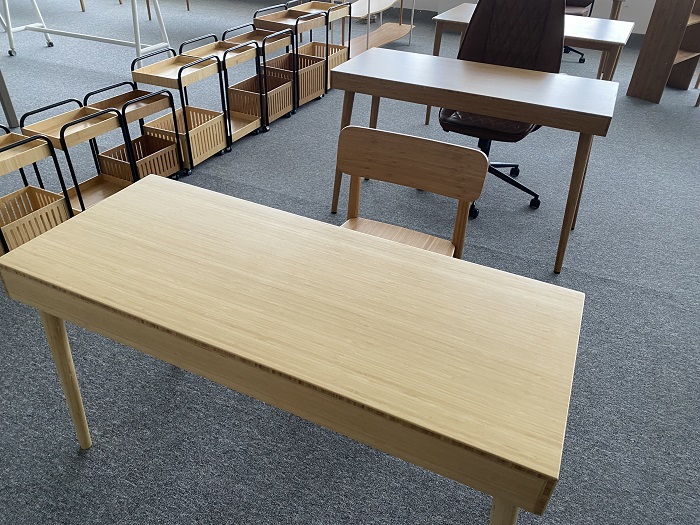
Traditional metal or plastic folding tables are often heavy, awkward to carry, and visually unappealing. Bamboo picnic tables solve these issues by capitalizing on the material's excellent strength-to-weight ratio. Designers have developed low-profile, roll-up, and folding bamboo tables that collapse down into compact carrying bags. These tables feature slatted tops made from pressurized bamboo blocks, providing a perfectly flat, solid surface that keeps wine glasses, coffee mugs, and serving platters steady on uneven park lawns or sandy beaches.
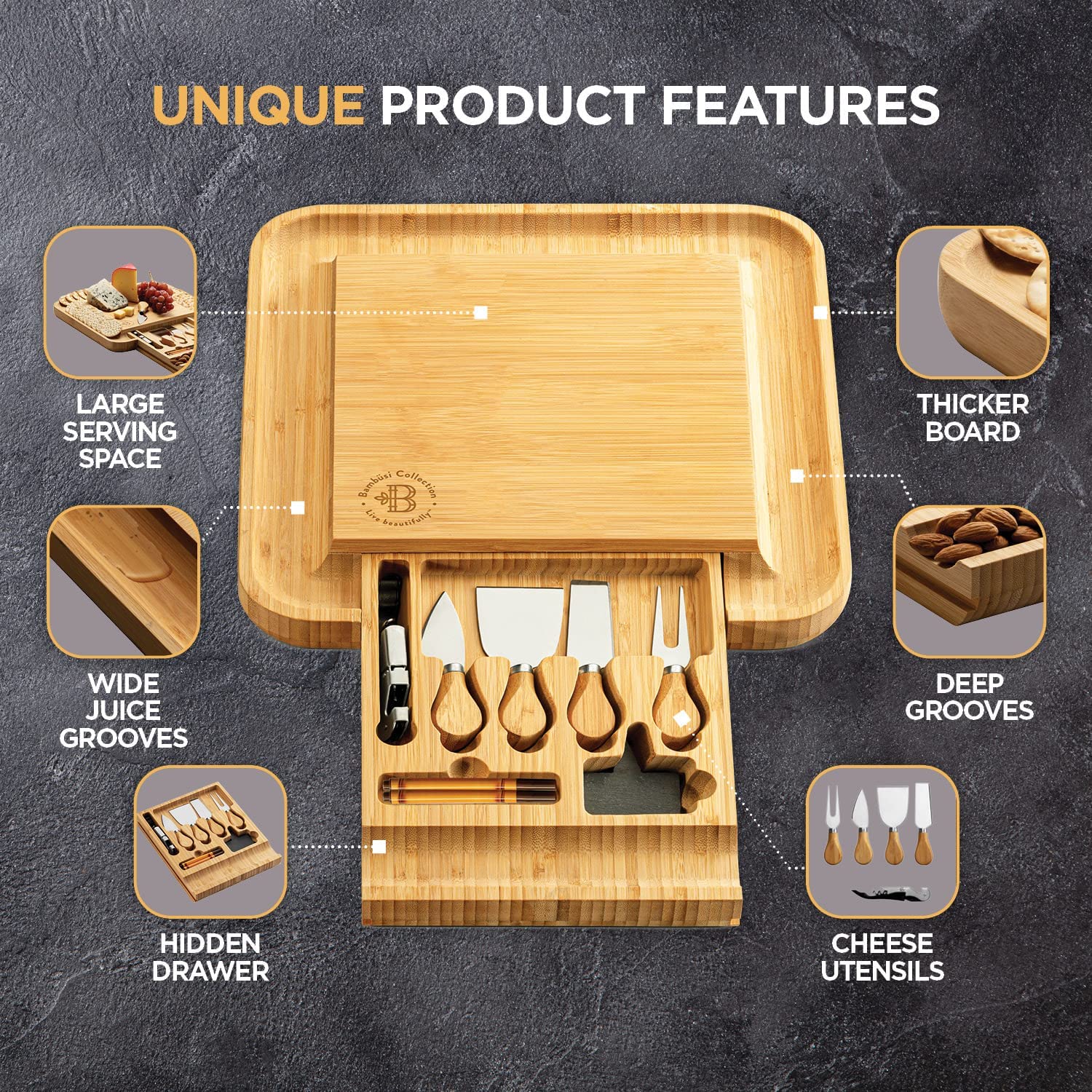
In addition to tables, multi-functional bamboo serving boards have redefined the outdoor charcuterie experience. Many of these boards are engineered with hidden compartments that slide open to reveal cheese knives, wine bottle openers, and specialized recesses designed to hold wine glasses securely in place. Because bamboo does not dull knife blades, these serving solutions double as reliable cutting boards on the trail, allowing picnickers to prep and serve fresh ingredients on a single, cohesive surface.
Weather Resistance and Environmental Integrity
Picnic gear must routinely face harsh environmental conditions, including direct sunlight, shifting humidity levels, wind-blown sand, and unexpected rain showers. Traditional hardwoods can quickly warp, check, or split when exposed to these rapid moisture and temperature changes, while plastics can become brittle and fade under intense ultraviolet light.
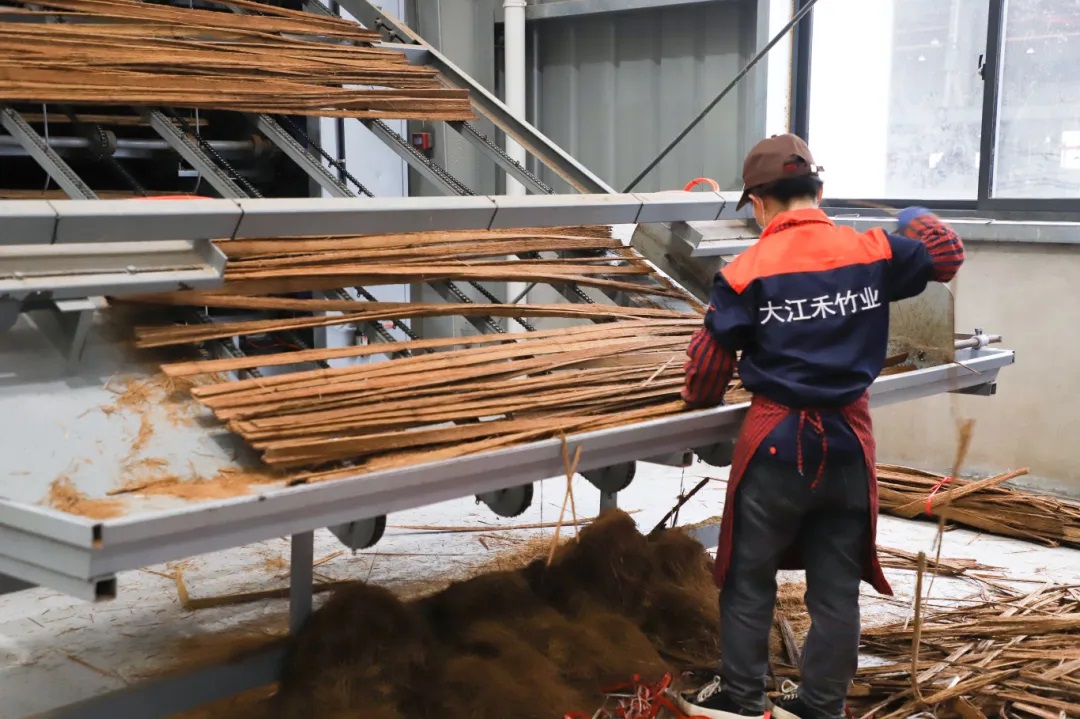
Premium bamboo outdoor products are manufactured to resist these atmospheric pressures. Because the material undergoes extensive drying and heat-treating phases during the manufacturing process, its internal moisture content is stabilized. This precision engineering minimizes the natural expansion and contraction of the fibers, ensuring that a folding bamboo table or a heavy-duty storage box will remain structurally sound and warp-free, even after a full day of exposure to the elements.
From an environmental standpoint, the rapid renewability of bamboo makes it an unrivaled choice for eco-conscious consumers. Traditional timber can take several decades to reach maturity, meaning clear-cutting forests creates a long-term environmental deficit. A stalk of Moso bamboo reaches full structural maturity in just four to five years. The extensive root system remains completely intact after harvest, allowing the plant to naturally regenerate and shoot up new stalks without requiring pesticide application, intensive irrigation, or replanting. By choosing reusable bamboo goods over plastics or traditional hardwoods, consumers actively participate in a sustainable material economy that protects global forest ecosystems.
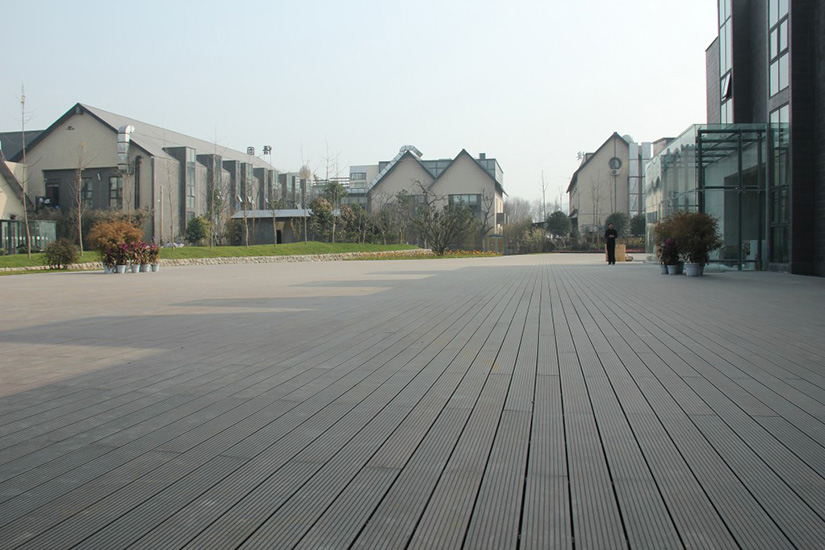
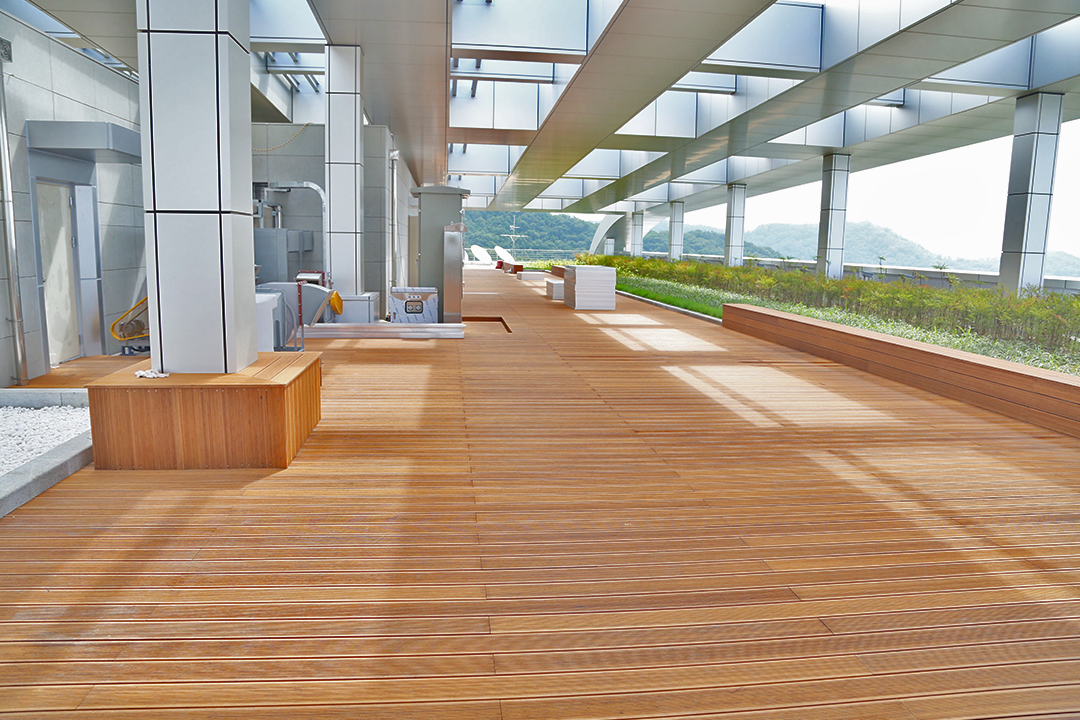
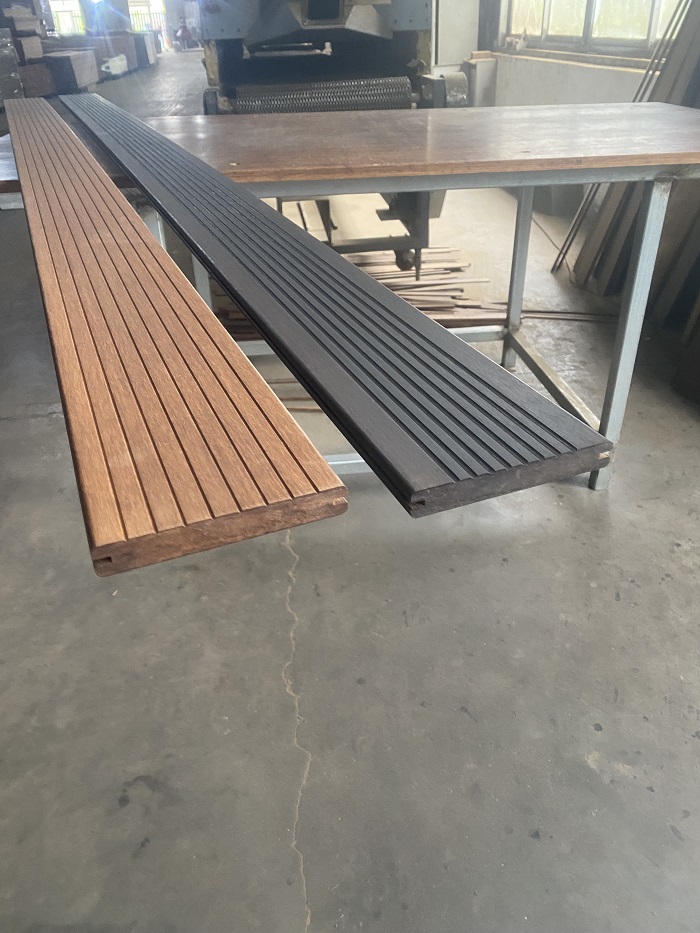
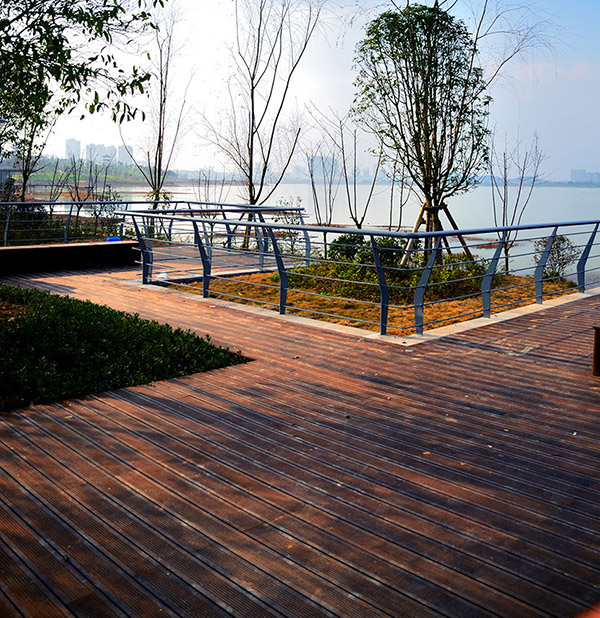
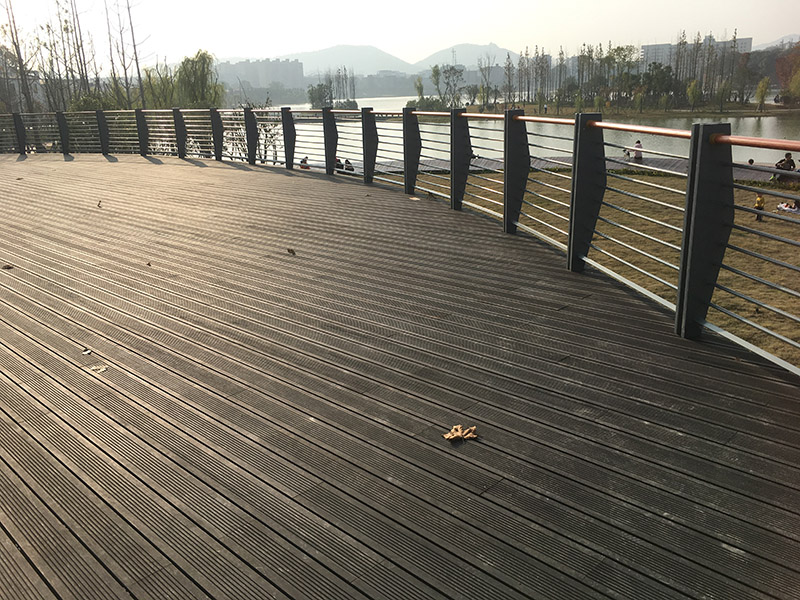
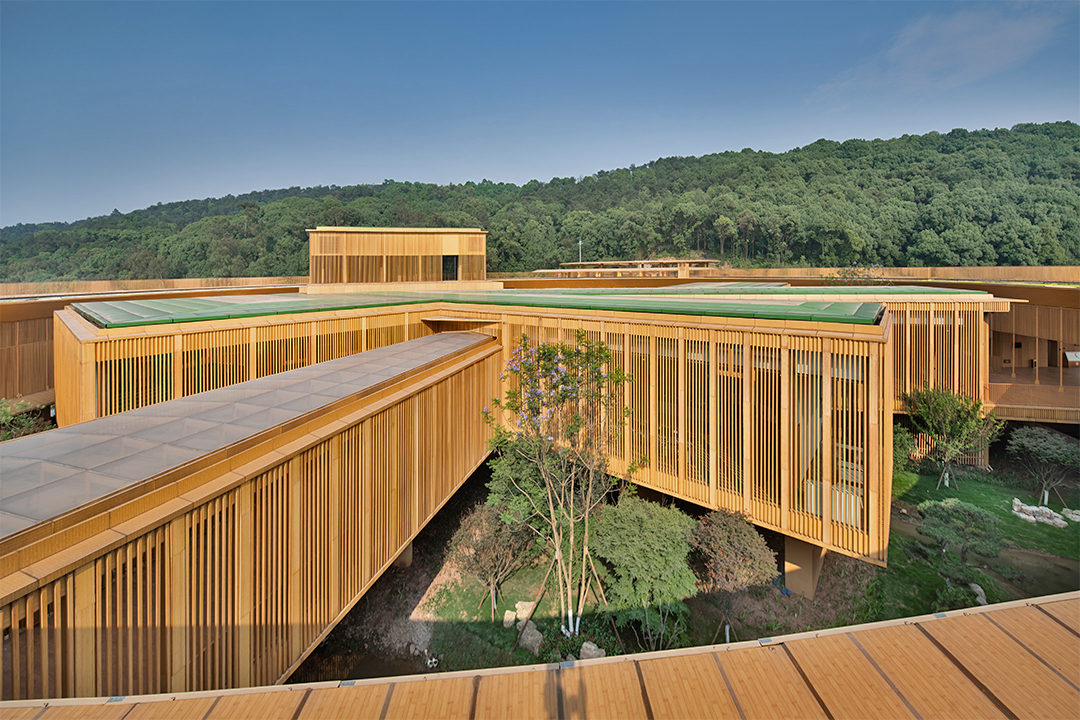
The extreme structural stability and natural weather-resistance that make bamboo ideal for these smaller consumer goods are the exact same reasons why the material has become a dominant force in large-scale exterior construction. The same heavy-duty hydraulic pressing and resin-infusion techniques used to craft reliable picnic furniture are deployed on a much larger scale to produce premium bamboo decking for outdoor patios, commercial walkways, and architectural installations. This shared engineering heritage guarantees that whether you are installing a commercial walkway or purchasing a portable picnic table, the underlying bamboo technology is built to withstand rigorous exposure to the elements.
Simple Maintenance for Maximum Longevity
To ensure that your bamboo picnic products maintain their structural integrity and beautiful appearance for decades, practicing a few basic care habits is essential. While bamboo is incredibly tough and highly water-resistant, it is still an organic material that benefits from proper care.
Always hand wash solid bamboo plates, utensils, and serving boards with warm water and mild dish soap. Avoid placing solid bamboo items into the dishwasher, as the combination of intense heat, prolonged water submersion, and harsh chemical detergents can strip away the natural oils and cause the grain to swell or crack over time. For molded bamboo fiber dinnerware, check the manufacturer instructions, as many varieties are top-rack dishwasher safe but should still be kept away from microwaves.
After washing, dry your picnic gear thoroughly with a towel and allow it to air dry completely before storing it away in a closed cabinet or picnic basket. Storing any wood or grass product while damp can invite mildew growth. To preserve the rich luster of solid bamboo cutting boards and furniture, apply a thin layer of food-grade mineral oil once or twice a year. This simple wipe-down hydrates the fibers, enhances the natural grain patterns, and adds an extra layer of protective moisture defense.
A Smart Shift in Outdoor Culture
The growing popularity of bamboo picnic goods represents a meaningful shift toward intentional, quality-driven outdoor experiences. Investing in durable, beautifully crafted items allows property owners and outdoor enthusiasts to escape the cycle of cheap, disposable alternatives. Bamboo delivers the luxurious look and tactile satisfaction of premium natural wood alongside the lightweight, shatterproof utility demanded by active lifestyles. Whether you are hosting a refined backyard wine tasting, packing a bento box for a mountain hike, or setting up a complete dining layout in a local park, bamboo picnic products offer a reliable, sophisticated, and sustainable foundation for creating unforgettable outdoor memories.
About Bothbest
Bothbest is a premier, direct-to-source manufacturer specializing in the production of high-quality bamboo flooring and bamboo decking based in China. With decades of manufacturing expertise, the factory supplies durable, eco-friendly, and architecturally sound bamboo solutions to global markets, ensuring strict quality control from raw harvest to final delivery.